
Destination Guide · 12 min read

New Nordic luxury & design hotels
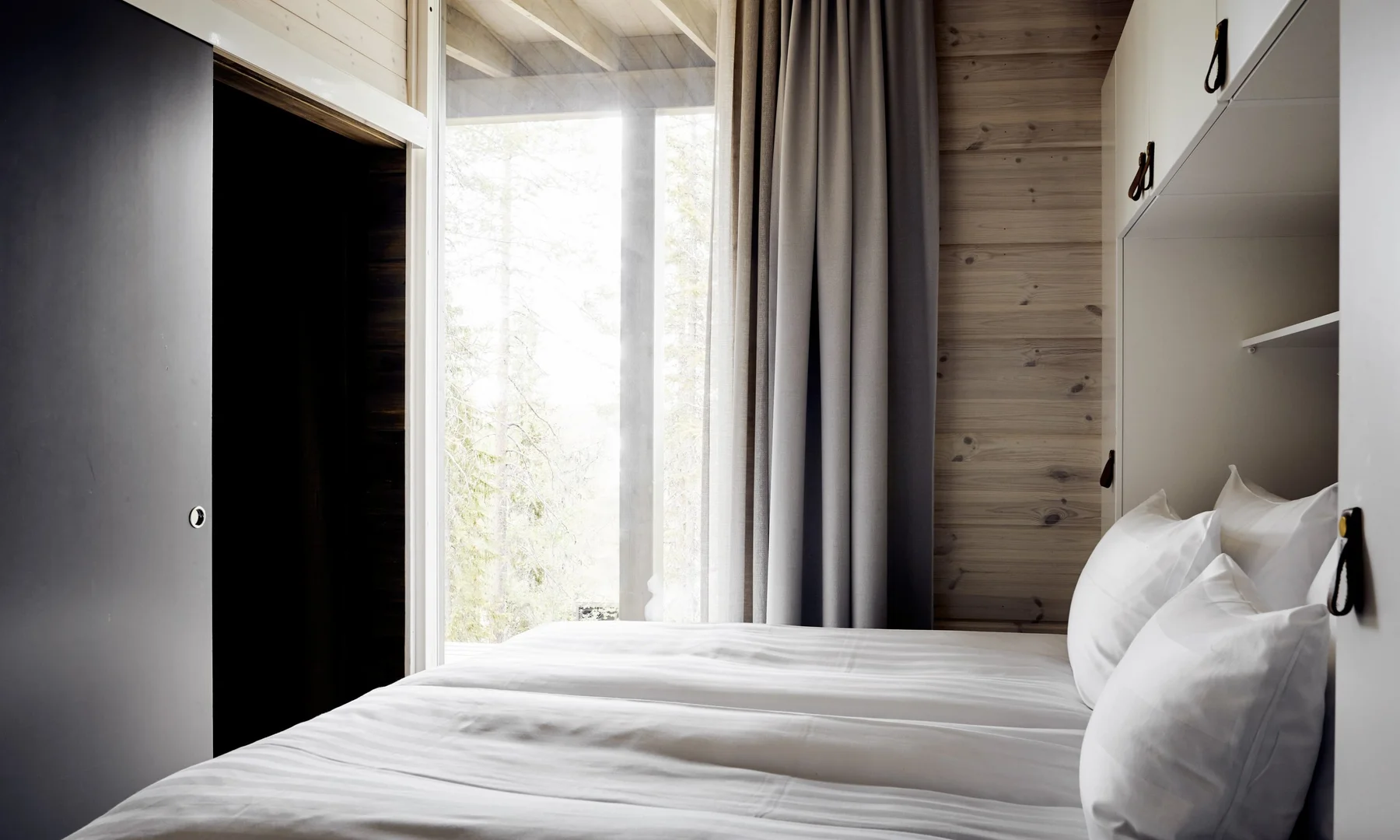
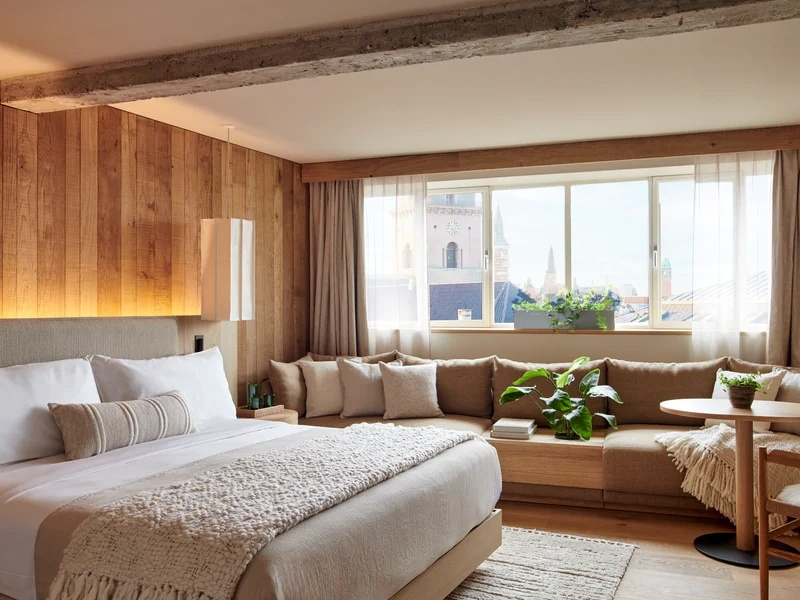
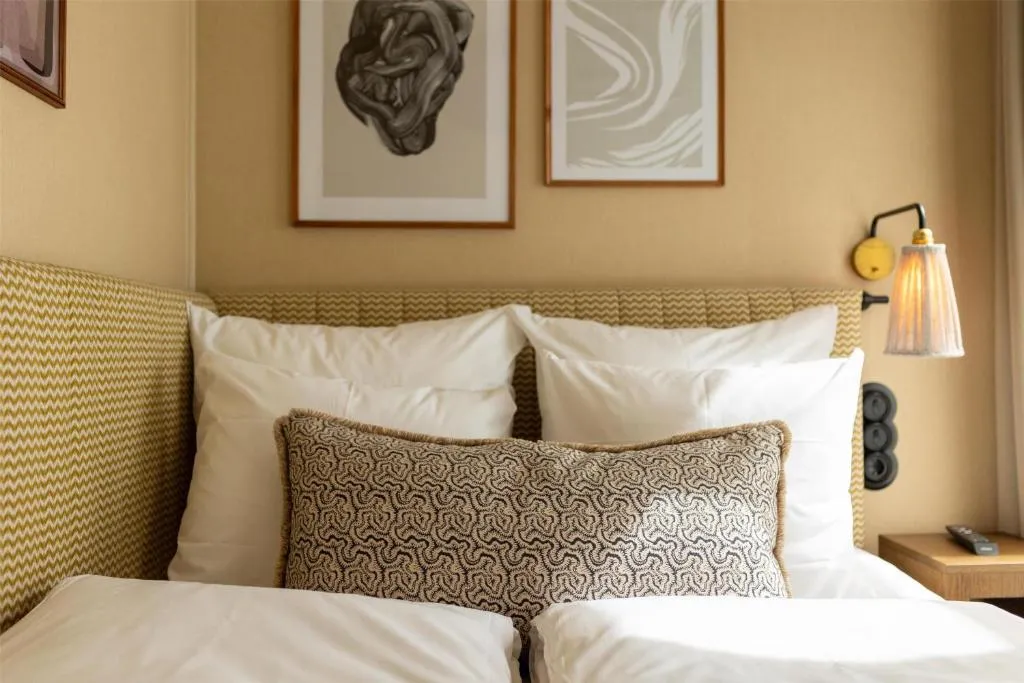
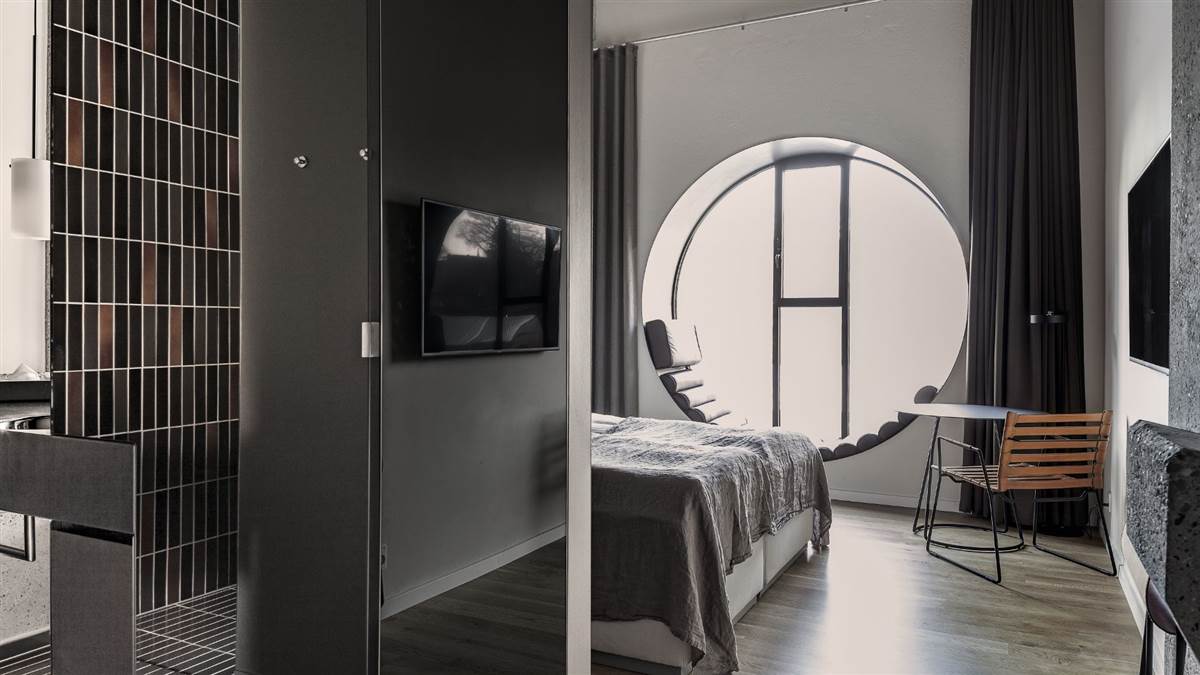
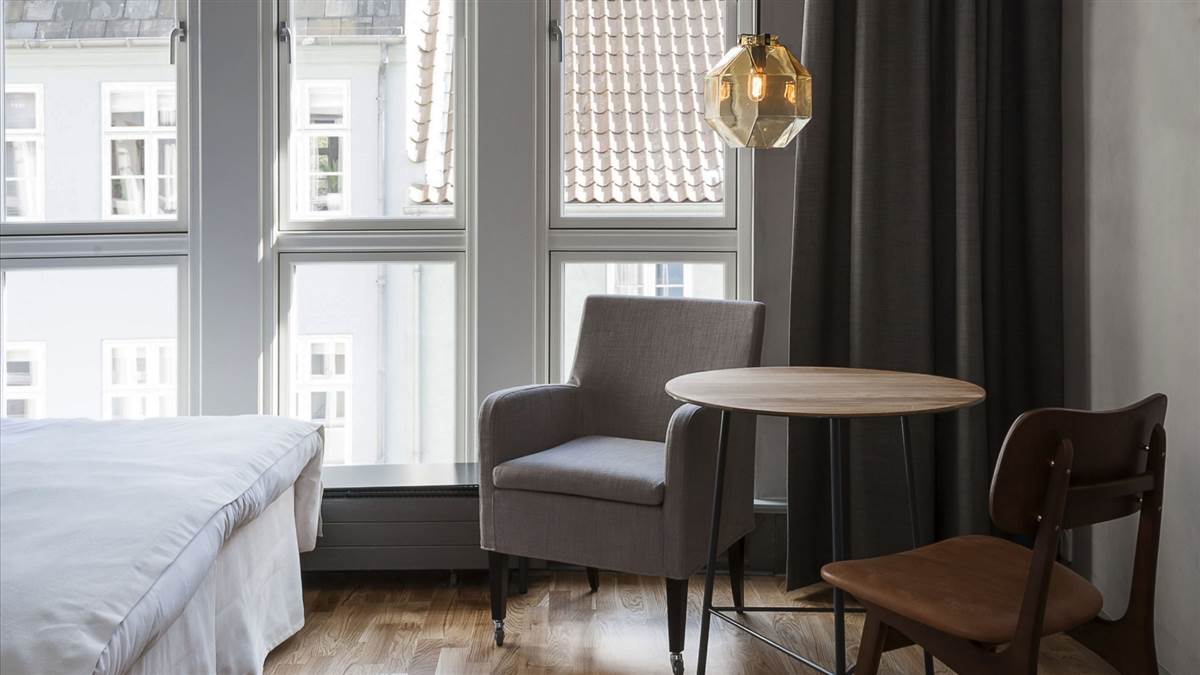
Scandinavia's great hotels are an expression of the region's defining design philosophy: the conviction that beauty and function are inseparable, that luxury lies in quality of materials rather than quantity of ornament. The best hotels in Copenhagen, Stockholm, and Oslo are among the most considered interiors in the world — places where every object has been chosen with the same rigour applied to a piece of furniture by Hans Wegner or a lamp by Poul Henningsen.
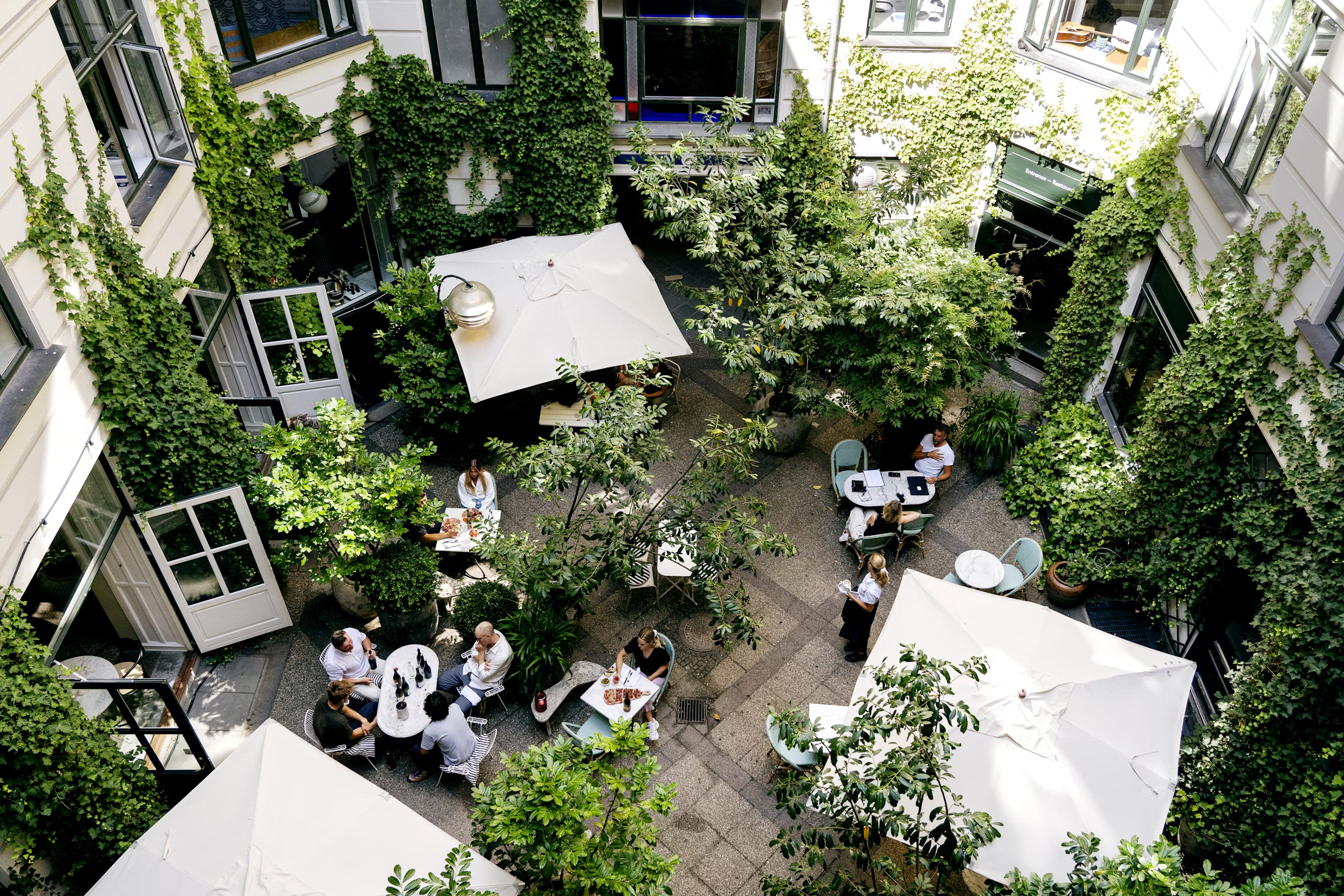
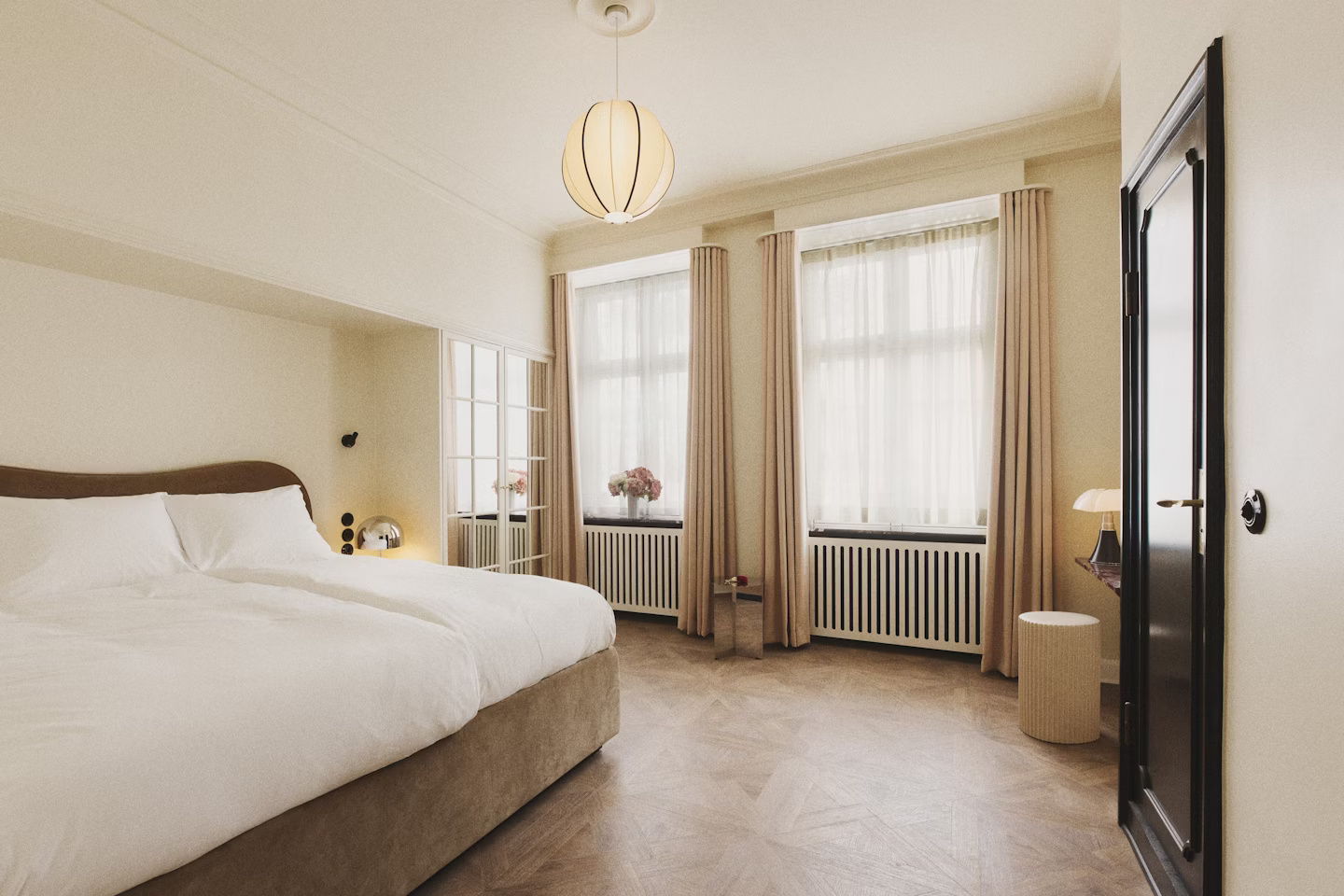
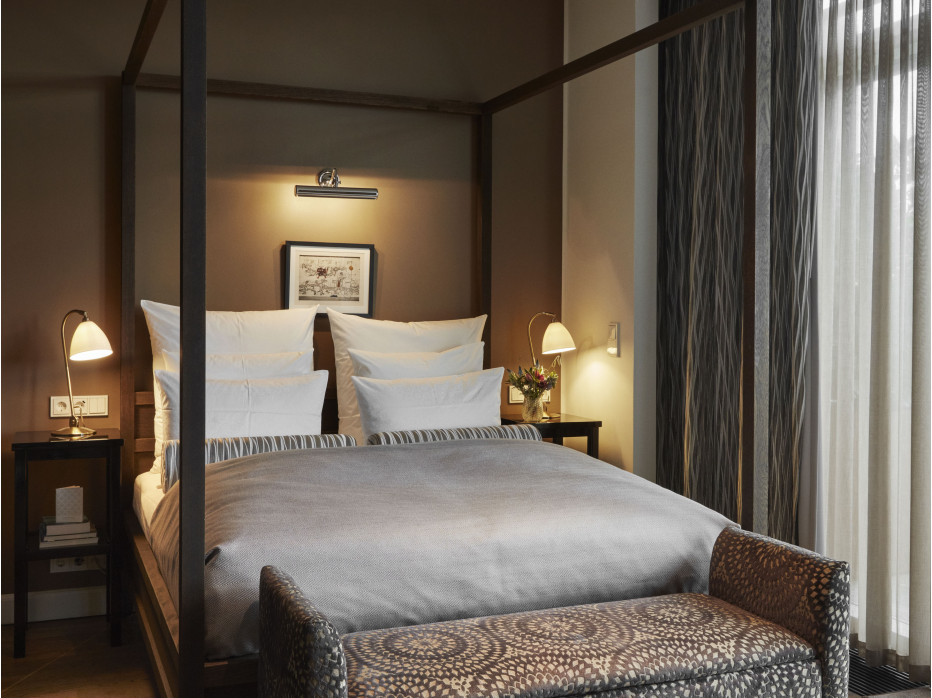
Copenhagen has emerged as the most compelling hotel city in Scandinavia, driven by the same cultural energy that produced Noma and the New Nordic food movement. Hotel Sanders — a former ballet school transformed by Alexander Kølpin into an intimate 54-room hotel of extraordinary warmth — is the most celebrated address in the city. The Nimb Hotel, overlooking the Tivoli Gardens, and the Nobis Hotel Copenhagen, in a 19th-century palace, represent the city's capacity to transform historic buildings into contemporary luxury.
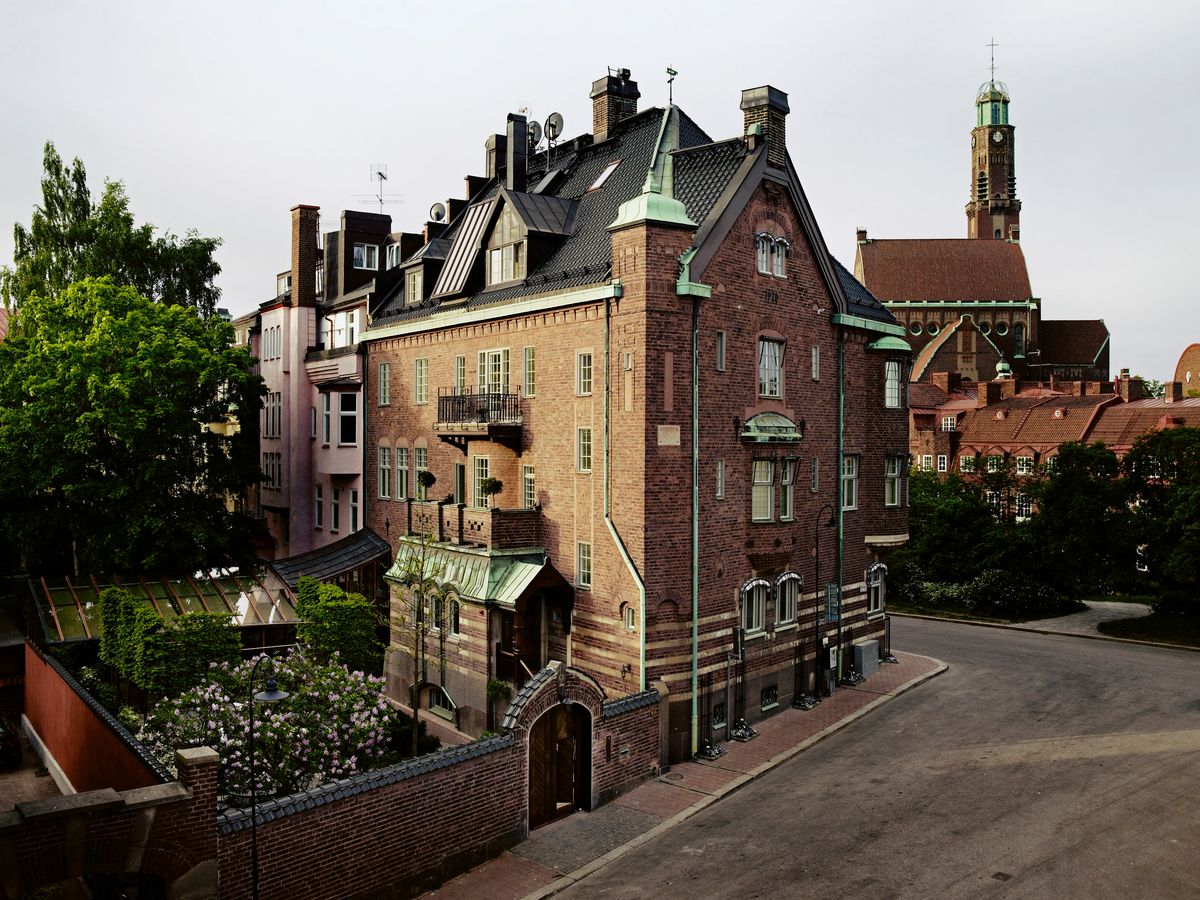
Stockholm's Grand Hôtel, overlooking the Royal Palace and the waters of Strömmen, has been the city's premier address since 1874 — the hotel where Nobel Prize laureates stay during the December ceremonies. The Lydmar Hotel, the Ett Hem, and the Berns Hotel represent the more intimate, design-led alternatives that have made Stockholm one of Europe's most interesting hotel cities.
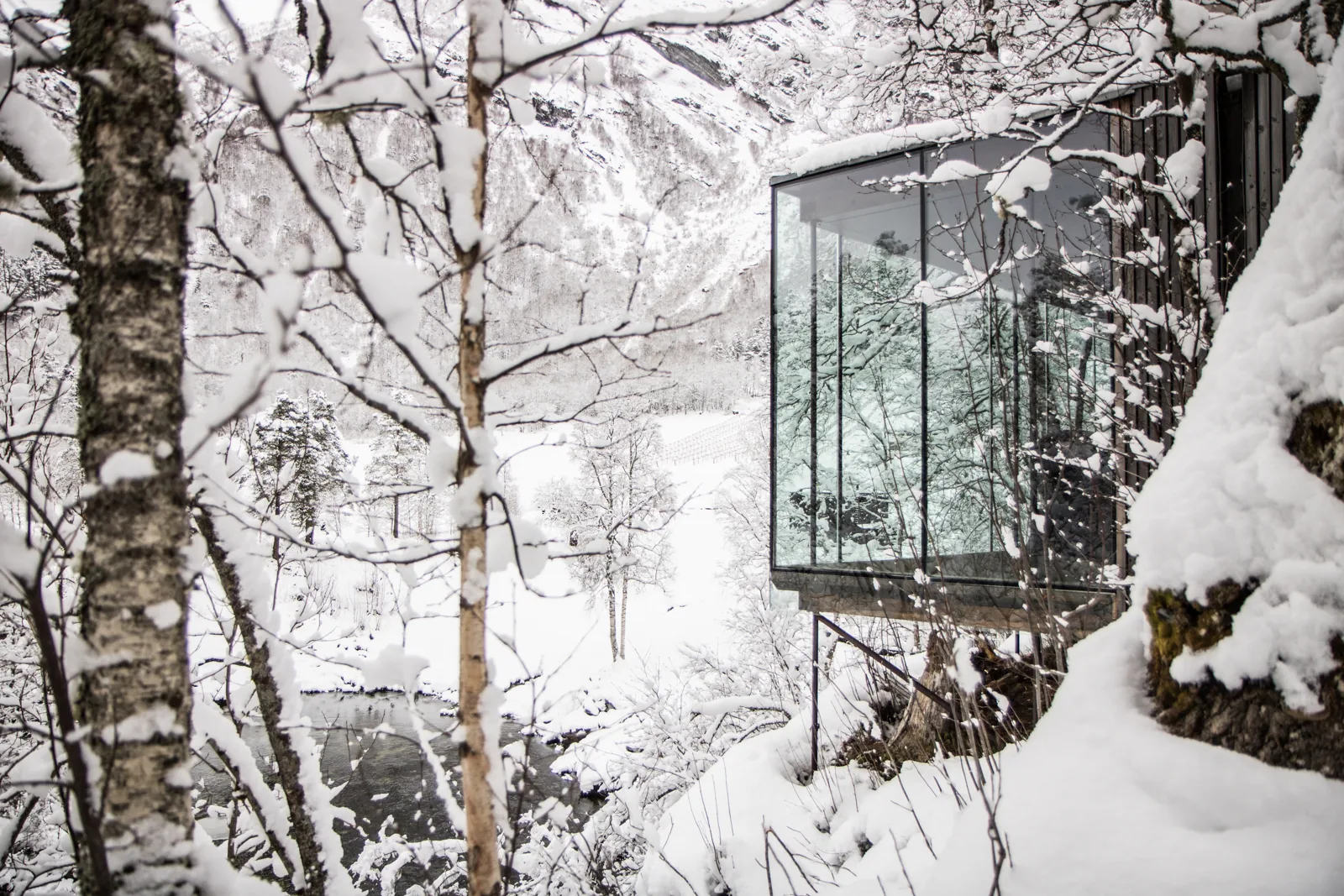
Norway's hotel landscape is defined by its extraordinary geography: the fjords, the mountains, and the midnight sun create conditions for a form of nature-integrated luxury that is unique in Europe. The Juvet Landscape Hotel in Gudbrandsjuvet — a series of glass pavilions suspended above the Valldøla river — is the most architecturally significant hotel in Norway and one of the most photographed buildings in the world.
Copenhagen's restaurants book out weeks in advance — Noma's successor projects, Geranium, Alchemist, and the city's constellation of natural wine bars require planning. Your hotel concierge can sometimes access reservations that are publicly unavailable.
The Nordic summer (June–August) offers near-continuous daylight — up to 20 hours in midsummer — which transforms the experience of the landscape entirely. The midnight sun in northern Norway and the white nights in Stockholm are among the most extraordinary natural phenomena in Europe.
Stockholm's Archipelago — 30,000 islands stretching east into the Baltic — is best explored by ferry from the city centre. The Grand Hôtel can arrange private boat hire; the journey to the outer islands takes 2–3 hours and reveals a Sweden that most visitors never see.
Copenhagen's design district — the area around Bredgade and the Design Museum Denmark — is the best concentration of Scandinavian design shops, galleries, and auction houses in the world. Allow a full day; the Design Museum's permanent collection of Danish furniture is unmissable.
May–September is the optimal window: long days, warm temperatures (18–22°C in Copenhagen and Stockholm), and the full range of outdoor activities. June–July offers the midnight sun in northern Norway and Sweden. December is atmospheric for Christmas markets and the Nobel Prize ceremonies in Stockholm, but cold and dark. January–March is the best period for northern lights viewing in Norway and Finland.
For the most celebrated design hotel in Copenhagen and the most intimate luxury experience in Scandinavia, Hotel Sanders — 54 rooms in a former ballet school, designed with extraordinary warmth and attention to craft — is the definitive choice.
For the most architecturally significant hotel in Norway and one of the most photographed buildings in the world, the Juvet Landscape Hotel — glass pavilions above the Valldøla river in Gudbrandsjuvet — is the most extraordinary nature-integrated hotel in Europe.
For the most historic and most prestigious address in Stockholm, the Grand Hôtel — overlooking the Royal Palace since 1874, the hotel of the Nobel Prize laureates — is the city's most celebrated and most complete luxury hotel.
For the most design-forward and culturally connected experience in Copenhagen, the Nimb Hotel overlooking Tivoli Gardens or the Nobis Hotel in a 19th-century palace offer the city's most considered interiors and the best access to its restaurant and cultural scene.