Netherlands
Golden Age canal houses & design hotels
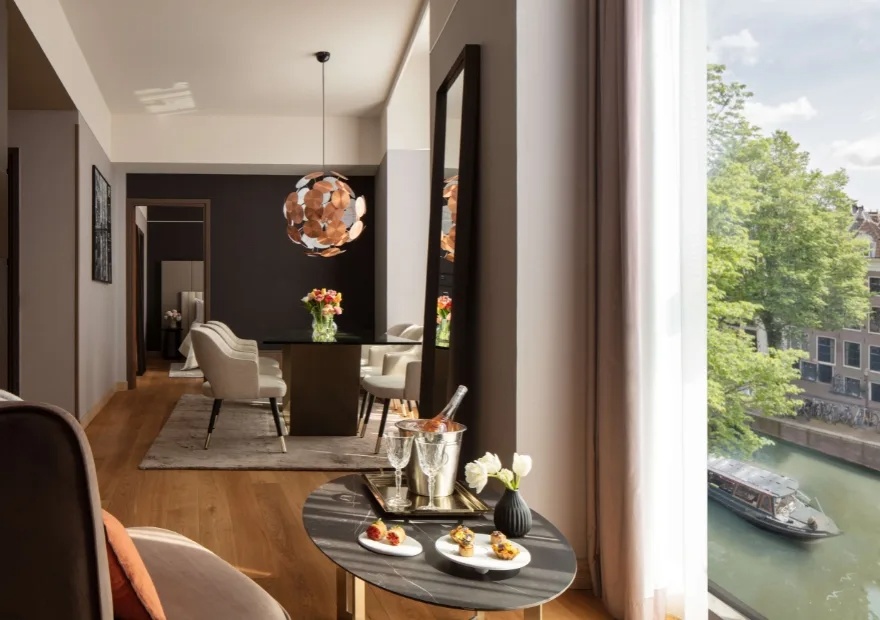
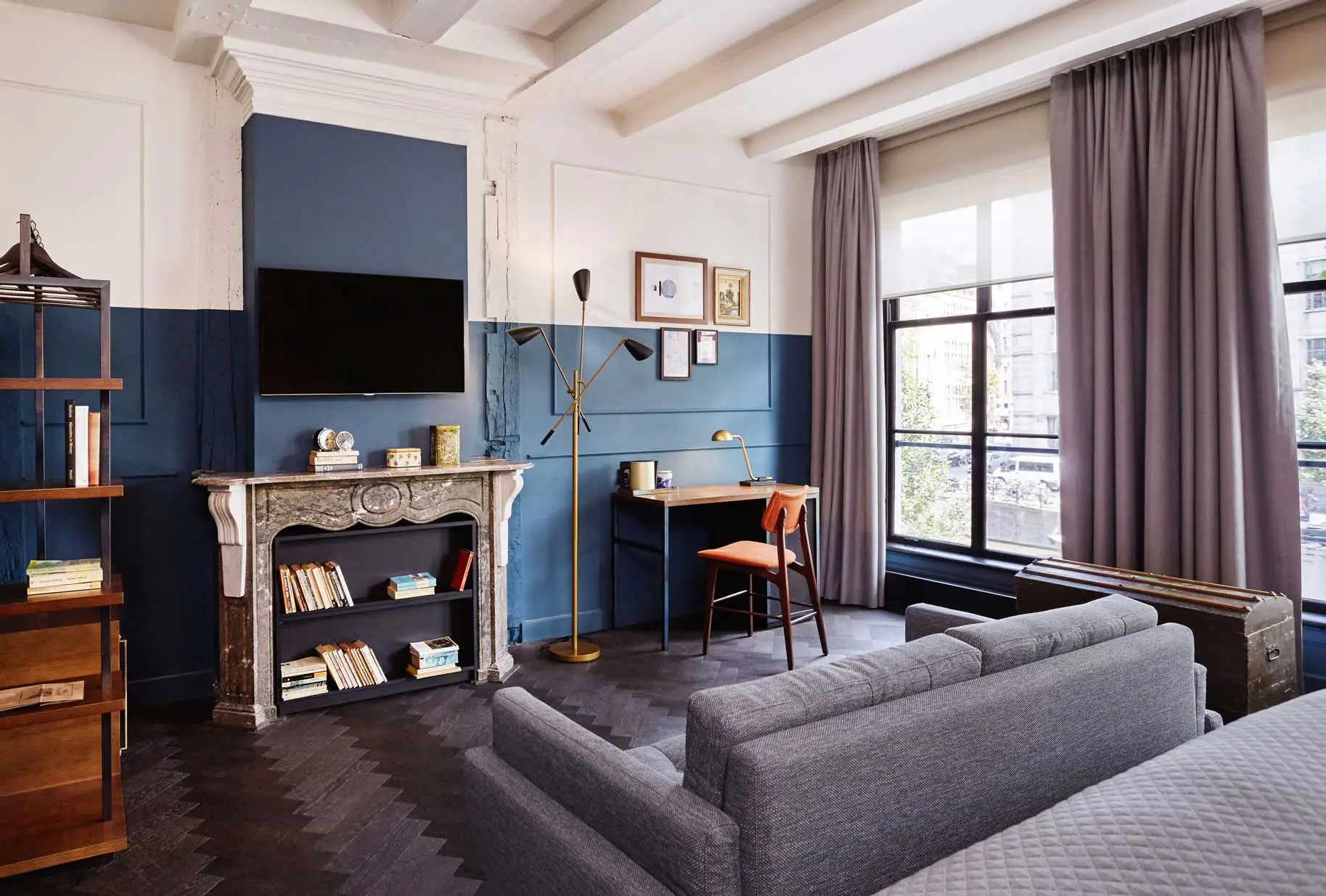
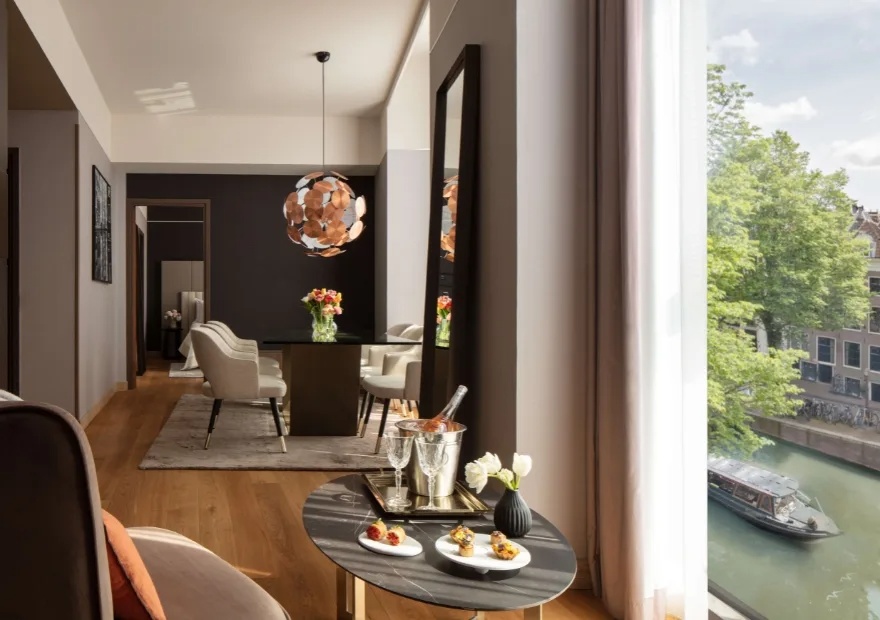
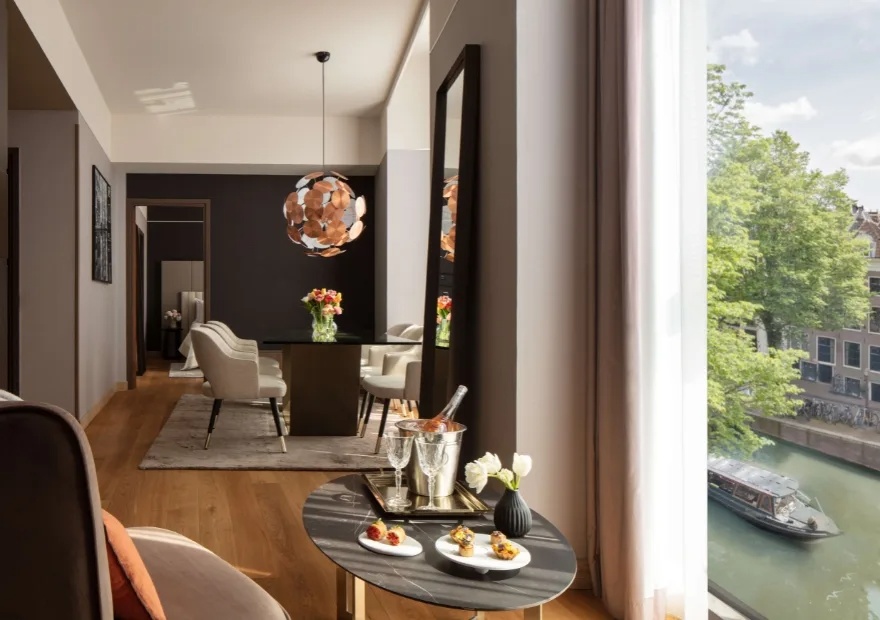
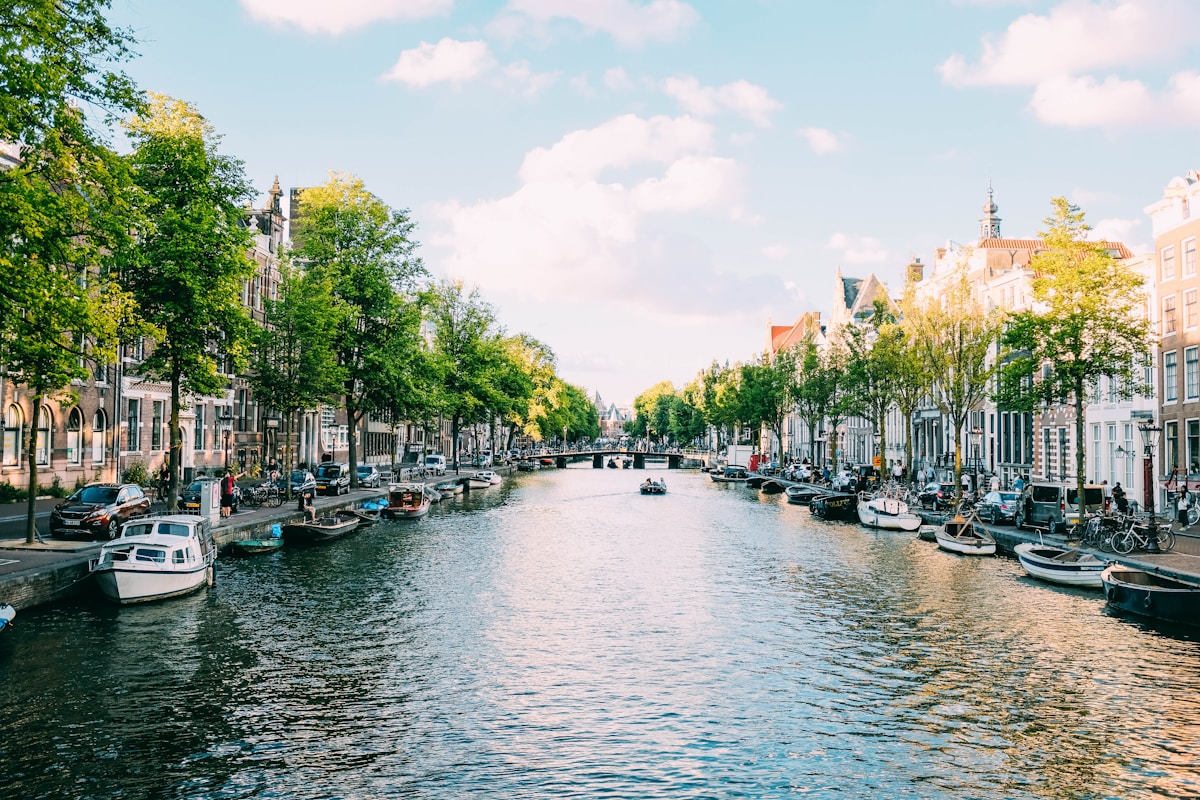
Amsterdam's great hotels occupy some of the most beautiful buildings in Europe — the 17th-century canal houses of the Grachtengordel, the Golden Age merchant palaces of the Herengracht and Keizersgracht, the converted warehouses of the Eastern Docklands. The city's UNESCO-listed canal ring is the most intact example of planned urban development from the Dutch Golden Age, and the best hotels are inseparable from this extraordinary architectural context.
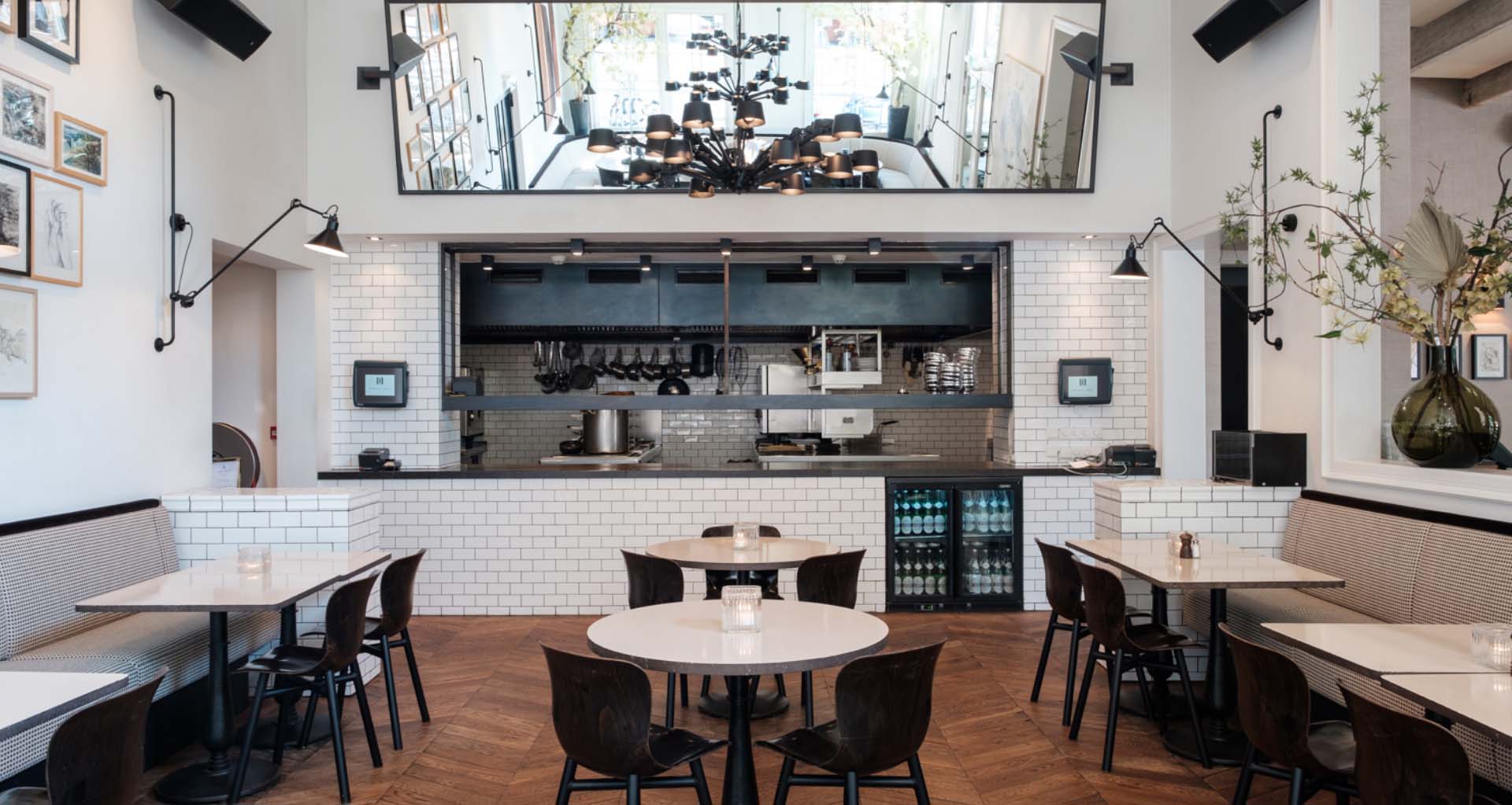
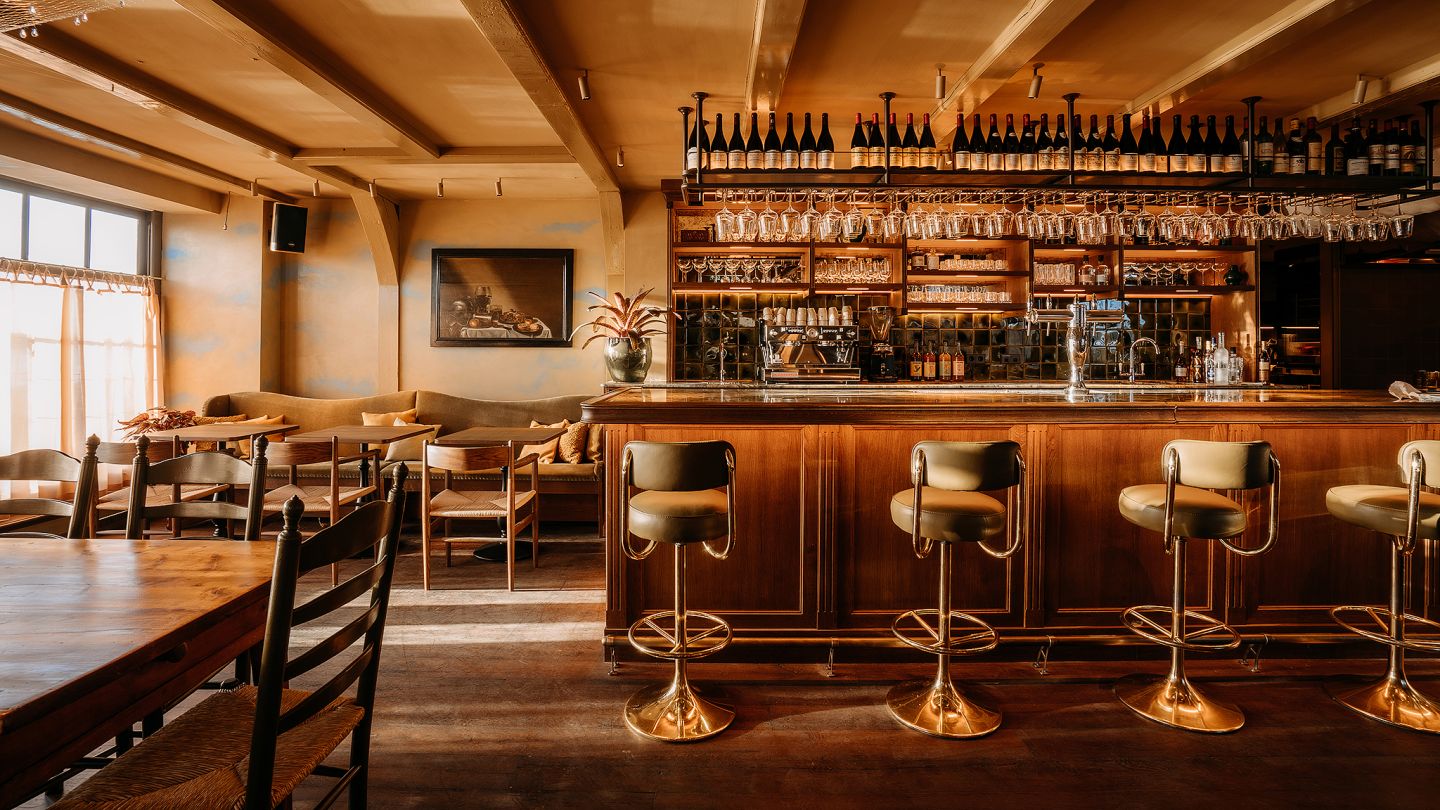
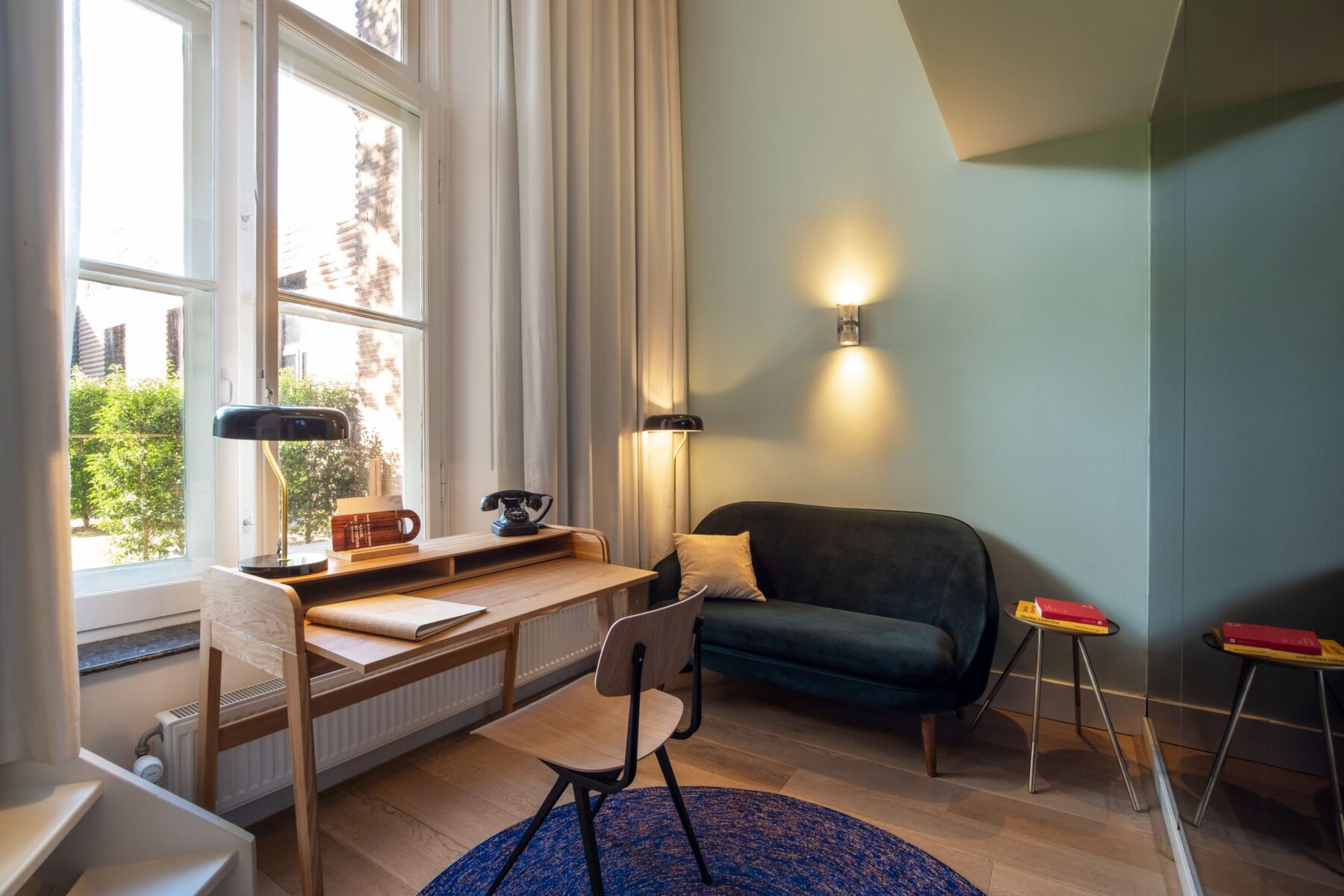
The Dylan Amsterdam, in a 17th-century almshouse on the Keizersgracht, is the most intimate and most celebrated boutique hotel in the city — 40 rooms of extraordinary individuality, each designed differently, with a Michelin-starred restaurant and a canal-side terrace that is one of the most coveted tables in Amsterdam. The Rosewood Amsterdam, in a former palace on the Herengracht, represents the most recent arrival of international ultra-luxury to the city.
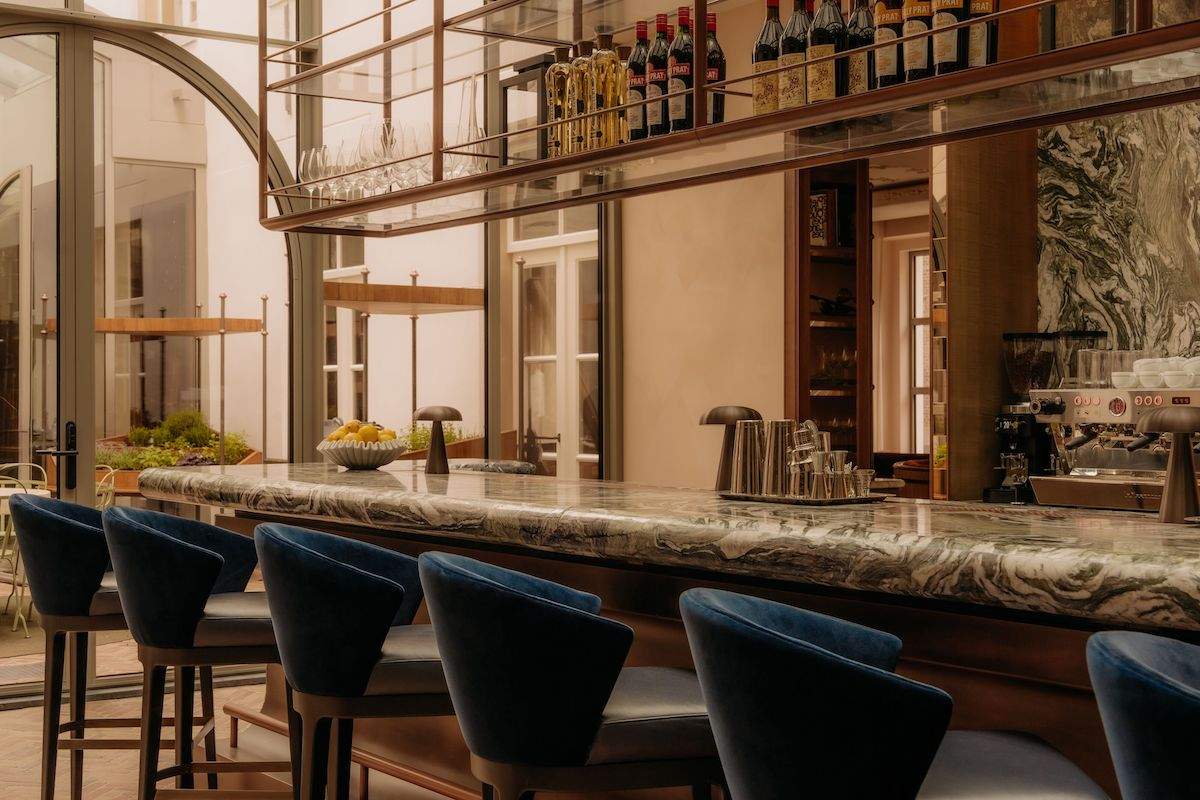
Hotel Okura Amsterdam, in the De Pijp neighbourhood, is the most complete luxury hotel in the city — four restaurants (two Michelin-starred), a rooftop bar with panoramic views, and a Japanese aesthetic that has made it the preferred address for Japanese visitors to Europe for over 50 years. The Anantara Grand Hotel Krasnapolsky, overlooking Dam Square, is the most historic and most central address in Amsterdam.
Rotterdam's hotel scene has been transformed by the city's extraordinary architectural ambition — the Nhow Rotterdam in the Maas Tower, the citizenM Rotterdam, and the Mainport Hotel represent a city that has rebuilt itself from wartime destruction into one of Europe's most architecturally adventurous cities.
Amsterdam's canal ring is best explored by bicycle — the city has 800,000 bicycles and 400km of cycle paths. Your hotel can arrange rental; the Jordaan neighbourhood and the Museum Quarter are the most rewarding areas for cycling exploration.
The Rijksmuseum and the Van Gogh Museum require advance booking — queues without reservations can exceed two hours. Book online before arrival; the Rijksmuseum's Friday evening openings are the most atmospheric time to visit.
Amsterdam's canal houses have extremely steep staircases — a feature of the original architecture. If mobility is a consideration, confirm room accessibility before booking; the Dylan and the Rosewood have the most accessible configurations.
Rotterdam's Markthal — a residential arch building containing a covered food market — is the most extraordinary piece of contemporary architecture in the Netherlands and worth a day trip from Amsterdam. The journey by high-speed train takes 40 minutes.
April–September is Amsterdam's best period: the tulip fields bloom in April–May (Keukenhof is open March–May), summer brings long days and canal-side dining, and the city is at its most vibrant. July–August is peak tourist season with higher prices and larger crowds. October is beautiful with autumn colours and fewer visitors. November–March is cold, wet, and grey but offers the most authentic experience of the city.
For the most intimate and most celebrated boutique hotel experience in Amsterdam, the Dylan Amsterdam — 40 individually designed rooms in a 17th-century almshouse on the Keizersgracht, with a Michelin-starred restaurant — is the definitive choice.
For the most complete luxury hotel experience with the best dining in the city, Hotel Okura Amsterdam — four restaurants including two Michelin-starred, a rooftop bar, and a Japanese aesthetic — is the most accomplished address in Amsterdam.
For the most historic and most central address overlooking Dam Square, the Anantara Grand Hotel Krasnapolsky — in operation since 1866, with a spectacular Winter Garden — is the most storied hotel in the city.
For the most contemporary ultra-luxury experience in a landmark canal palace, the Rosewood Amsterdam on the Herengracht — in a former 17th-century palace — is the city's most recent and most ambitious luxury arrival.