Destination Guide · 8 min read
Castle estates & wild Atlantic coastline
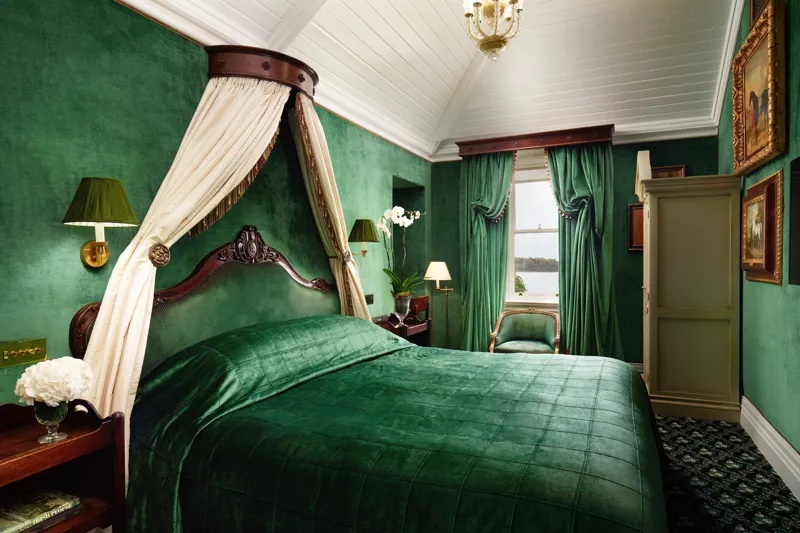
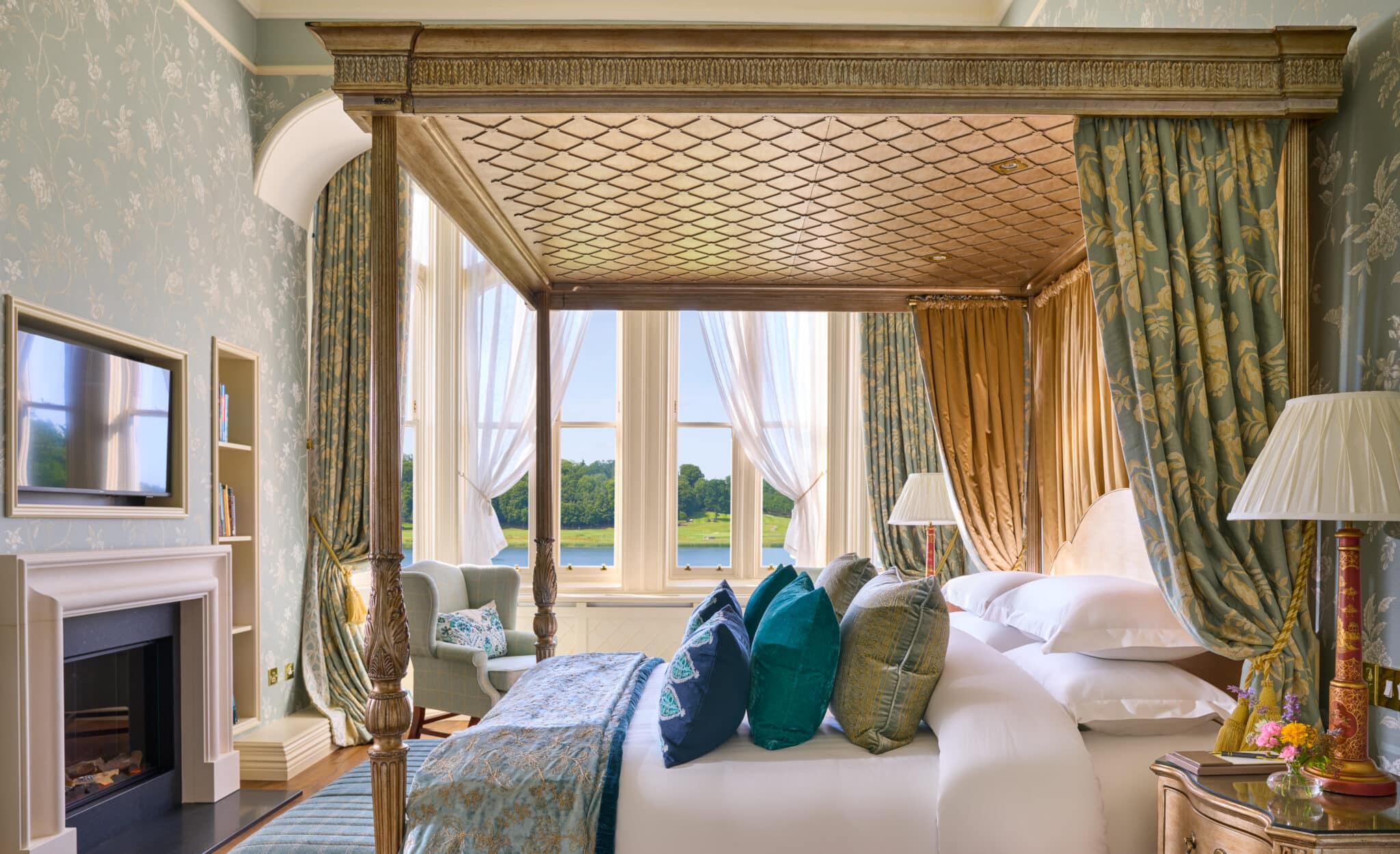
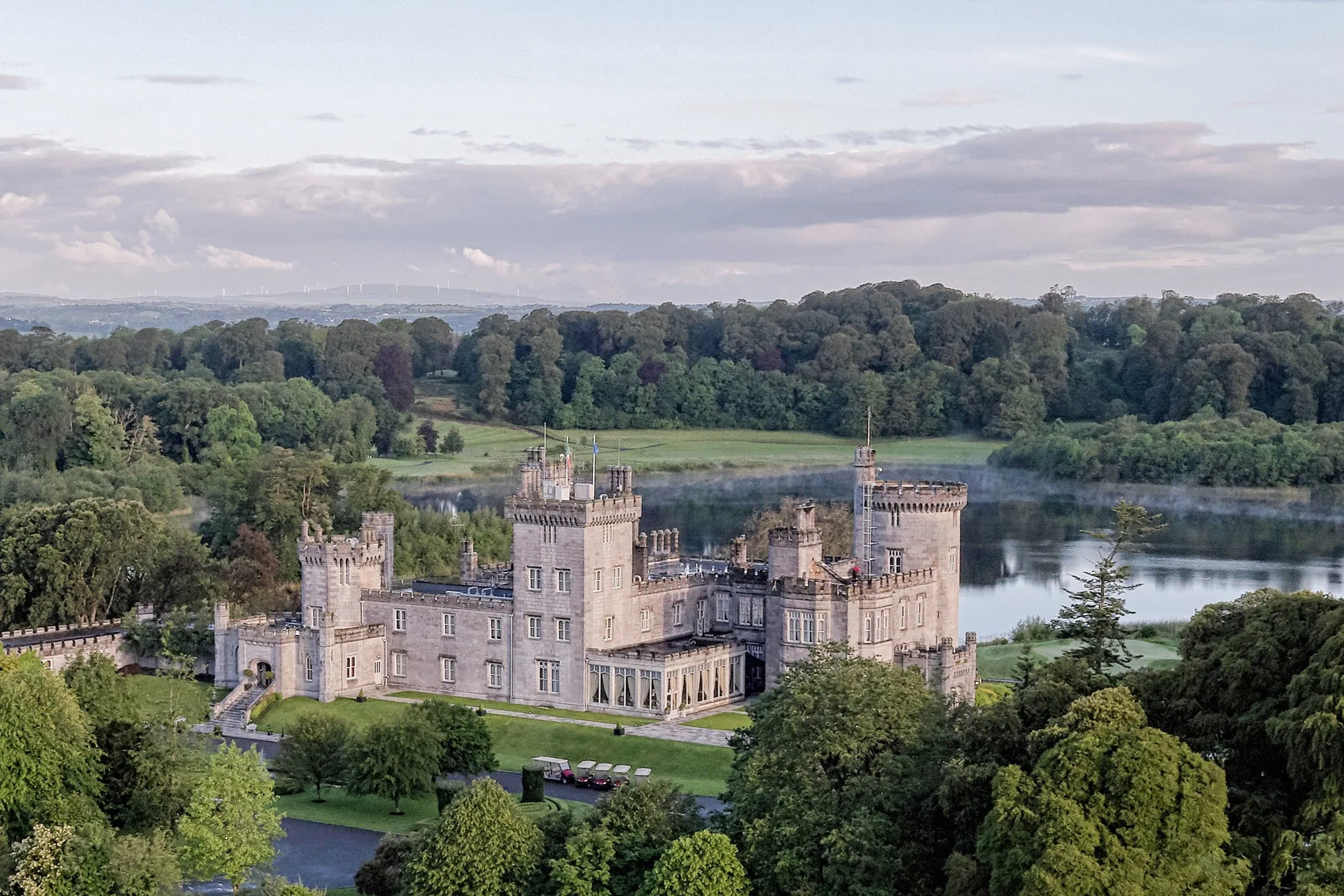
Ireland's great hotels are, almost without exception, castle estates — buildings that were constructed as the seats of Anglo-Irish aristocracy and have been converted, with varying degrees of success, into places of extraordinary hospitality. Ashford Castle in County Mayo, Dromoland Castle in County Clare, and Ballynahinch Castle in Connemara are the three most celebrated addresses in the country: places where the combination of medieval architecture, vast demesnes, and the particular quality of Irish hospitality creates an experience that is found nowhere else in the world.
Ashford Castle, on the shores of Lough Corrib in County Mayo, is the most celebrated hotel in Ireland and one of the most celebrated in the world — a 13th-century castle that has been continuously expanded and refined over 800 years, now comprising 83 rooms and suites, a falconry school, a cinema, and 350 acres of demesne. It was voted the World's Best Hotel by Travel + Leisure in 2015 and has maintained its position at the apex of Irish hospitality ever since.
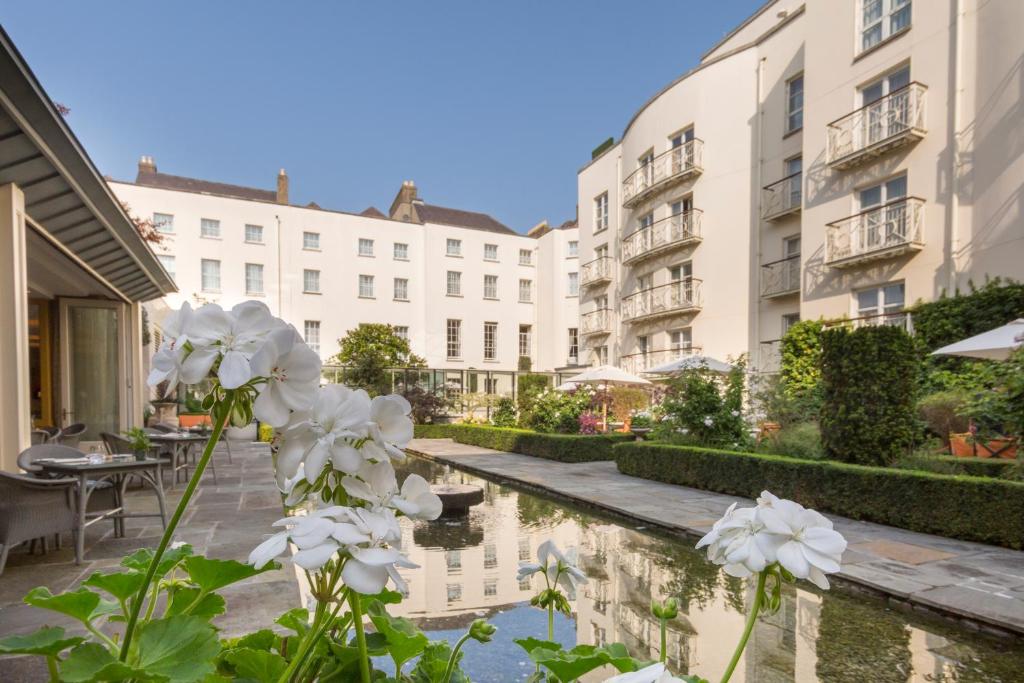
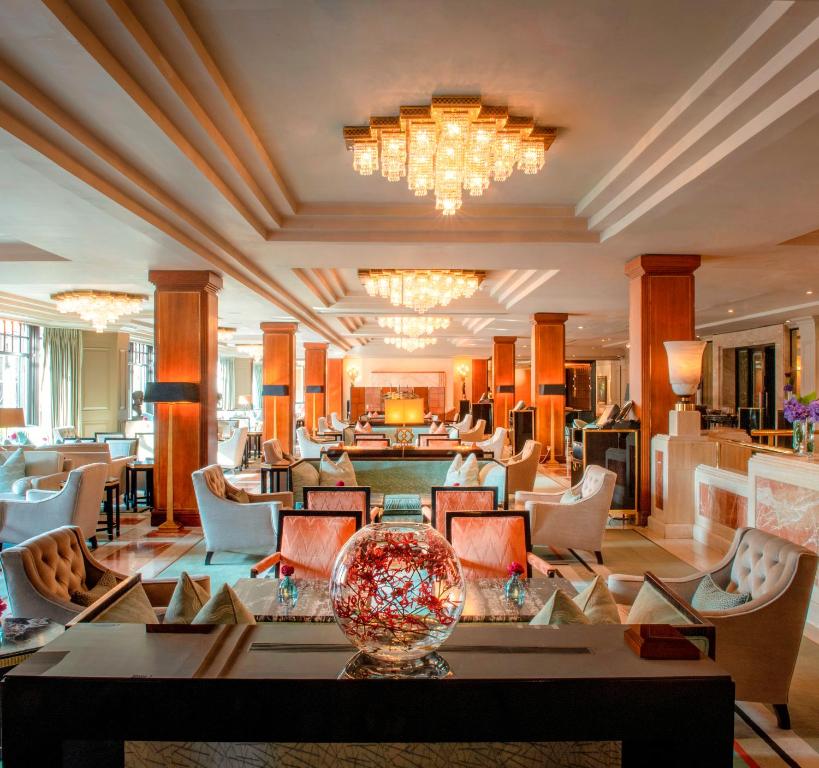
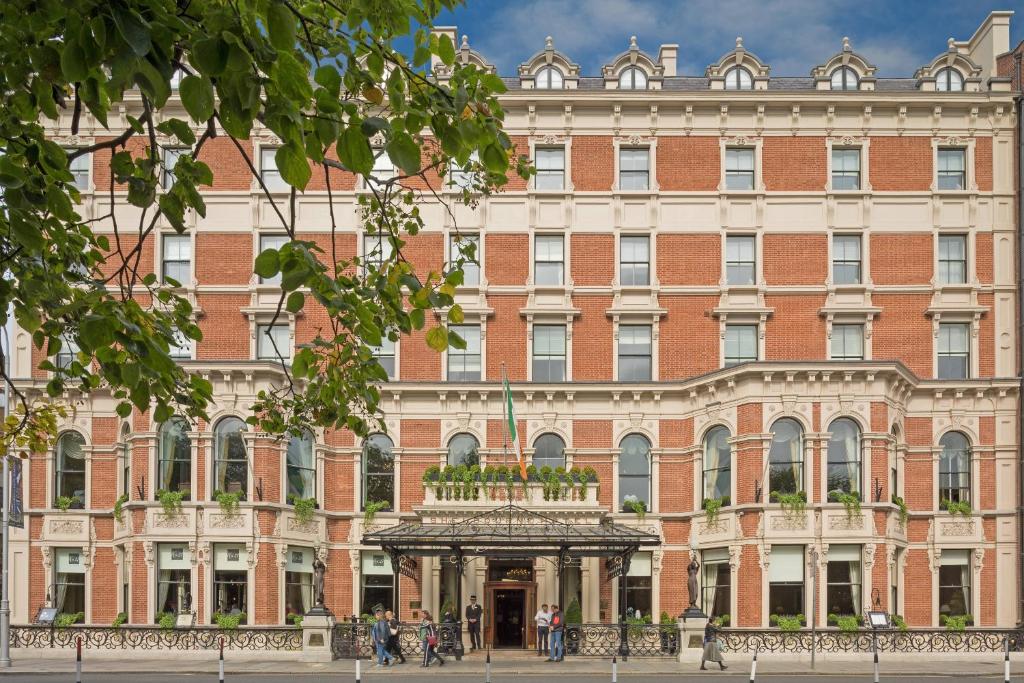
The Shelbourne in Dublin, overlooking St Stephen's Green since 1824, is the most historically significant hotel in Ireland — the hotel where the Irish Constitution was drafted in 1922, where Thackeray and Elizabeth Bowen wrote, and where every significant figure in Irish public life has stayed. Its No. 27 Bar is the most celebrated hotel bar in Dublin.
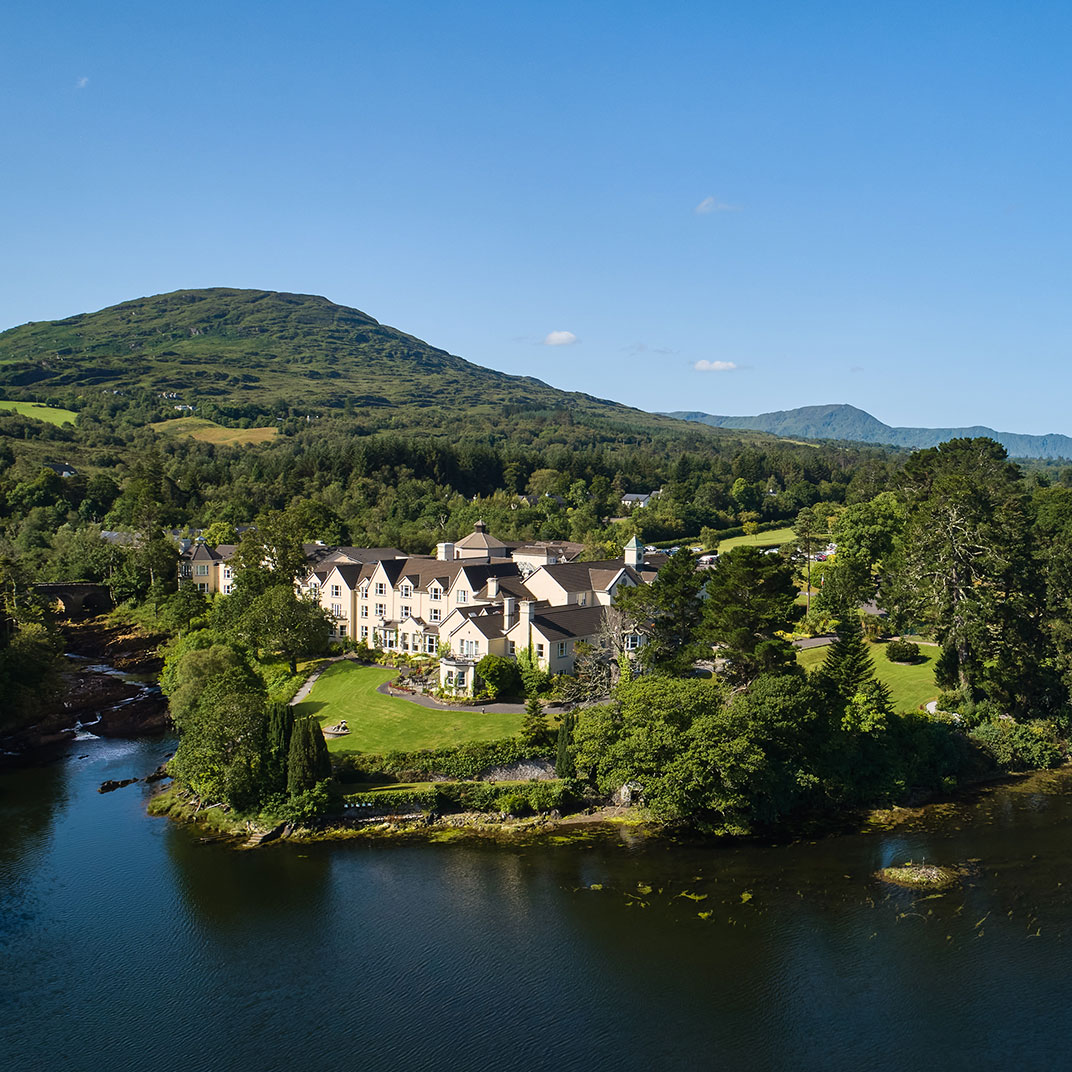
Ireland's Wild Atlantic Way — the world's longest defined coastal route, stretching 2,500 kilometres from Donegal to Cork — has produced a generation of boutique hotels and country house retreats that combine the country's extraordinary coastal landscape with a new standard of Irish hospitality. The Cliff at Lyons in County Kildare and Mount Juliet Estate in County Kilkenny represent the most considered contemporary alternatives to the great castle hotels.
Ireland's weather is famously unpredictable — pack waterproofs regardless of the season and treat rain as an atmospheric feature rather than an inconvenience. The west coast (Connemara, Kerry, Clare) is the most dramatic landscape in Ireland but also the wettest; the best light for photography comes immediately after rain.
Ireland's golf courses — Royal County Down, Royal Portrush, Ballybunion, Lahinch — are among the most celebrated links courses in the world. Tee times at the top courses book out months in advance; your hotel concierge can sometimes access reservations that are publicly unavailable. Ashford Castle and Dromoland Castle both have their own courses.
The Ring of Kerry and the Dingle Peninsula are Ireland's most celebrated scenic drives, but the Connemara loop (Clifden, Kylemore Abbey, Leenane) is less crowded and equally beautiful. Allow a full day; the light changes constantly and the landscape rewards slow travel.
Dublin's literary heritage — Joyce, Beckett, Wilde, Yeats — is best explored on foot. The James Joyce Centre, the Oscar Wilde House, and the National Library's Yeats exhibition are within walking distance of each other in the city centre. The Shelbourne's literary connections make it the most appropriate base for a literary Dublin itinerary.
May–September is Ireland's best period: the longest days (up to 17 hours of daylight in June), the warmest temperatures (15–20°C), and the full range of outdoor activities. June–August is peak season with higher rates and more visitors. April–May and September–October offer the best combination of good weather, lower rates, and fewer crowds. The west coast is at its most dramatic in autumn storms (October–November) — a different but equally compelling experience.
For the most celebrated and most complete castle hotel experience in Ireland, Ashford Castle in County Mayo — 800 years of history, 350 acres, a falconry school, and the most accomplished hospitality in the country — is the definitive Irish address.
For the most historically significant hotel in Dublin and the most atmospheric base for exploring the city, The Shelbourne on St Stephen's Green — where the Irish Constitution was drafted in 1922 — is the most storied address in the capital.
For the most intimate and most wild castle experience in Connemara, Ballynahinch Castle — a 700-acre estate on the Ballynahinch River, with salmon fishing, walking trails, and the most atmospheric bar in Connemara — is the most romantic address in Ireland.
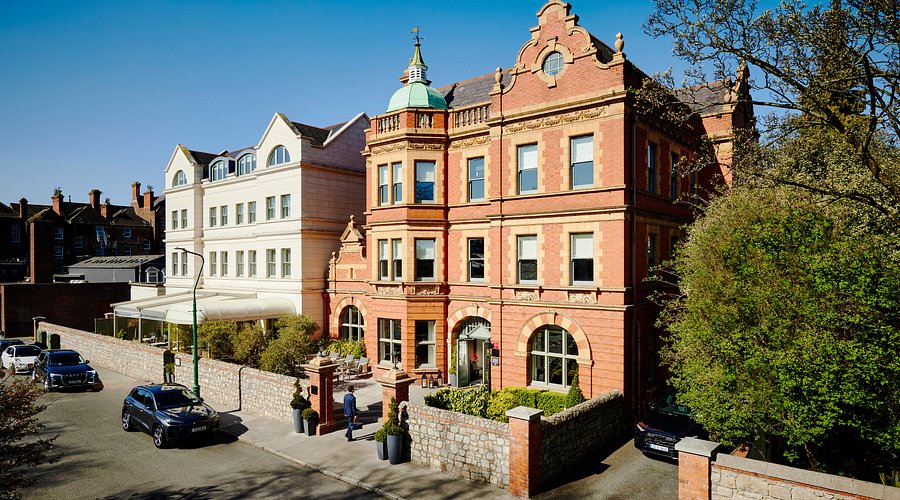
For the most contemporary and most design-forward country house experience in Ireland, the Cliff at Lyons in County Kildare or Mount Juliet Estate — both recently renovated to a high standard — offer the most polished alternatives to the great castle hotels.