Croatia
Adriatic walled cities & island retreats
Croatia's coastline — 1,800 kilometres of Adriatic shore, 1,200 islands, and a string of UNESCO-listed medieval cities — has produced one of the most compelling luxury travel destinations in Europe. Dubrovnik's walled Old Town, the most intact medieval city in the Mediterranean, is the defining image of Croatian luxury: the limestone walls, the terracotta rooftops, the Adriatic glittering below.
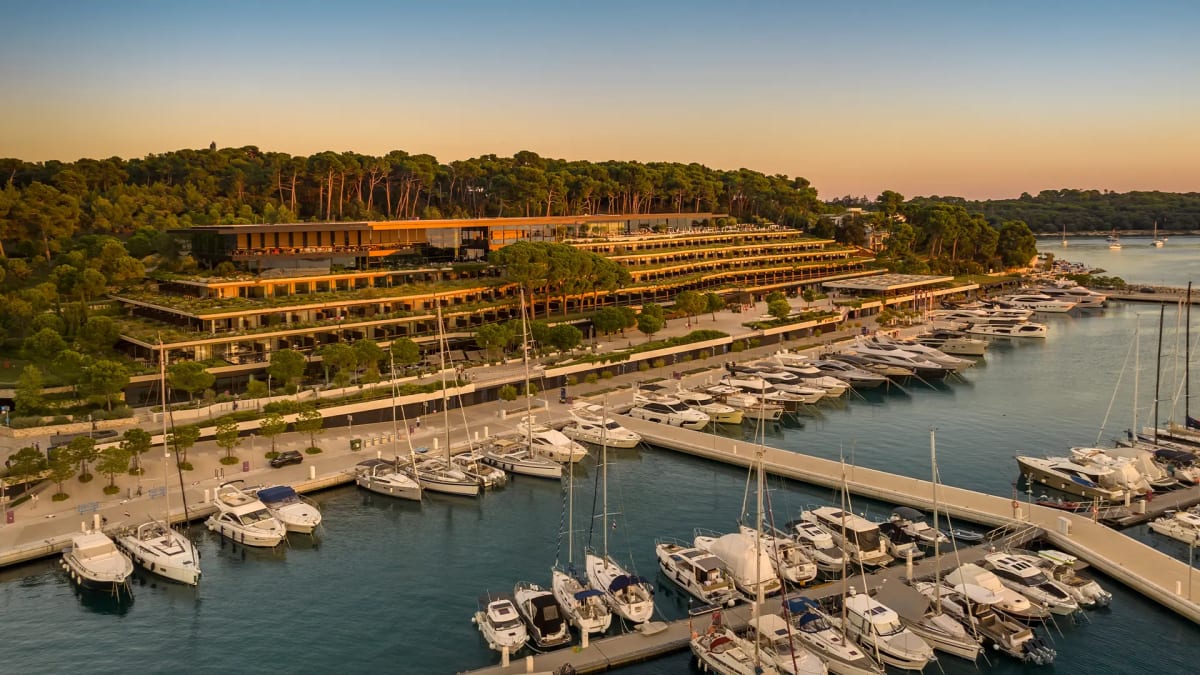
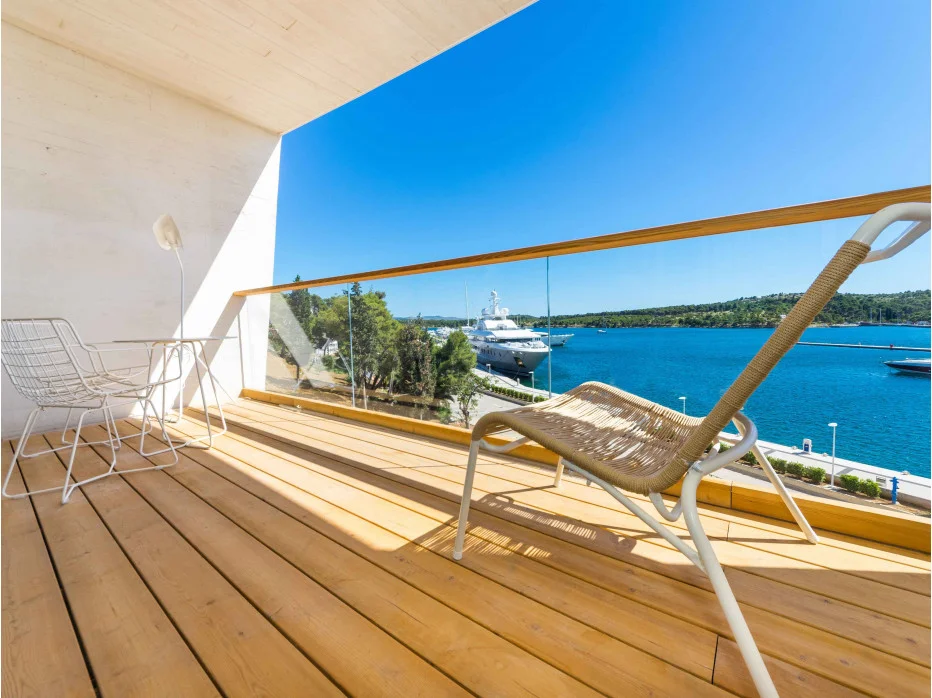
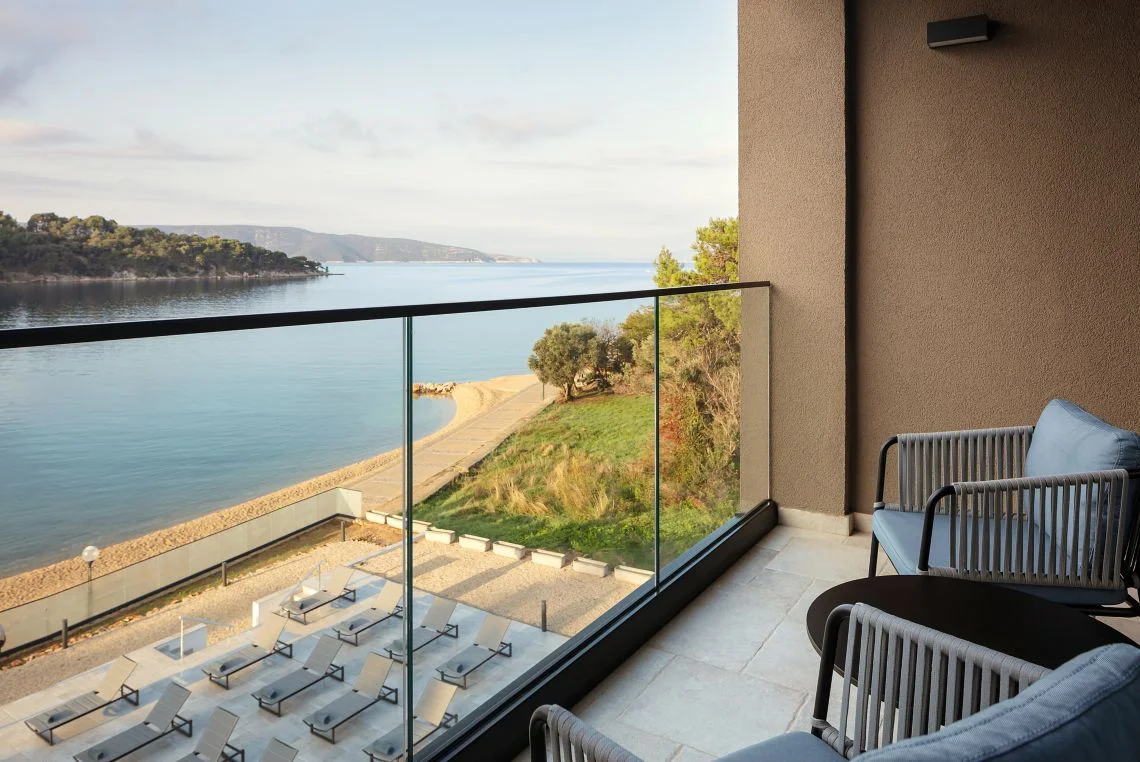
The Grand Park Hotel Rovinj, designed by 3LHD architects on the Istrian peninsula, is the most architecturally significant hotel in Croatia — a building that responds to its extraordinary site above the Adriatic with the same intelligence that the best Aman properties bring to their landscapes. Rovinj itself — a Venetian-influenced fishing town on the Istrian coast — is arguably the most beautiful town in Croatia.
Hvar, the most glamorous of the Dalmatian islands, has attracted a yacht-set clientele since the 1990s and now offers a range of luxury villas and boutique hotels that rival the best in the Mediterranean. The island's lavender fields, its Renaissance architecture, and its position at the centre of the Dalmatian island chain make it the most complete Croatian island destination.
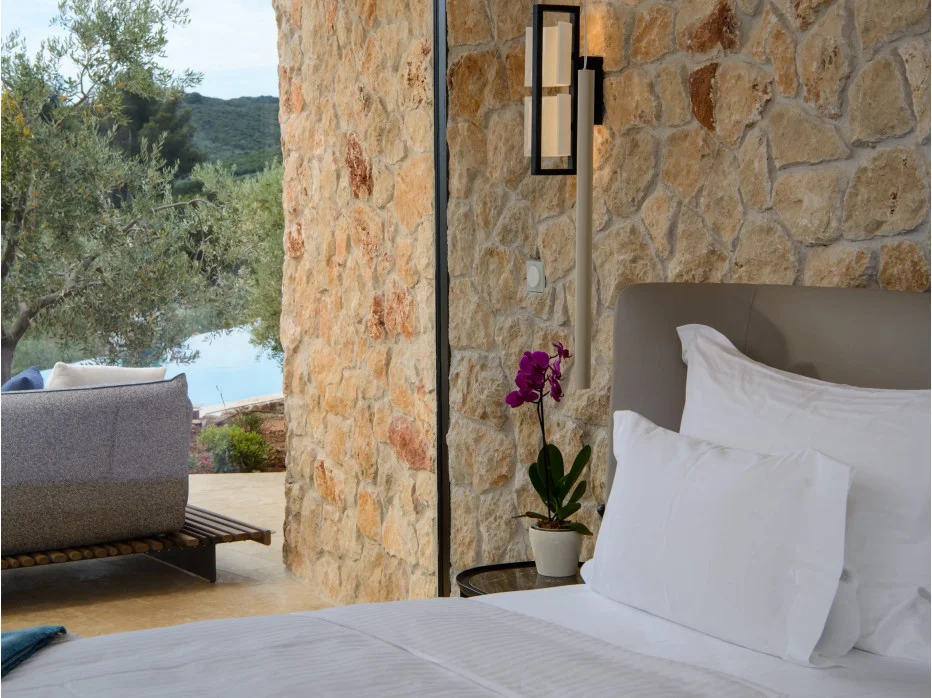
Maslina Resort on Šolta island — a 50-room property built around an organic farm and olive grove — represents the most considered approach to Croatian luxury: a retreat that is inseparable from its landscape, its produce, and its culture. It is the most awarded hotel in Croatia and the most complete expression of the country's potential for world-class hospitality.
Dubrovnik's Old Town is genuinely overwhelmed by cruise ship day-trippers in July–August — up to 10,000 visitors per day in a city of 40,000. Stay within the walls (the Pucić Palace or the Excelsior are the best options) and explore before 9am and after 6pm when the day-trippers have departed.
Croatia's islands are best explored by private boat — a bareboat charter from Split or Dubrovnik allows access to the uninhabited islands and coves that are inaccessible by ferry. A week's charter for a group of 6–8 is comparable in cost to a week in a good hotel and infinitely more flexible.
Istria's truffle season (October–December) is one of the great culinary events in Europe — the white truffles of Motovun rival those of Alba in quality and are significantly less expensive. The Zigante Tartufi shop in Livade is the most celebrated truffle destination in Istria.
Split's Diocletian's Palace — a Roman emperor's retirement home converted into a medieval city — is the most extraordinary example of adaptive reuse in the world. The best restaurants and bars in Split are located within the palace walls; the Vestibule Palace hotel occupies the palace's original vestibule.
May–September is Croatia's season, with July–August the peak. June and September are the best months: warm enough for swimming, less crowded than July–August, and with lower rates. May is ideal for Istria (truffle season ends, wildflowers bloom) and for sailing before the summer crowds. October is beautiful for Dubrovnik and Split — warm, golden, and almost empty of tourists.
For the most architecturally significant hotel in Croatia and the most considered luxury experience on the Adriatic, the Grand Park Hotel Rovinj — designed by 3LHD above the sea in Istria — is the most extraordinary address in the country.
For the most awarded and most farm-to-table luxury retreat in Croatia, Maslina Resort on Šolta island — built around an organic farm and olive grove — is the most complete expression of Croatian hospitality.
For the most atmospheric stay within Dubrovnik's medieval walls, the Pucić Palace — a baroque palace on the Gunduličeva Poljana market square — is the most intimate and most historically resonant address in the Old Town.
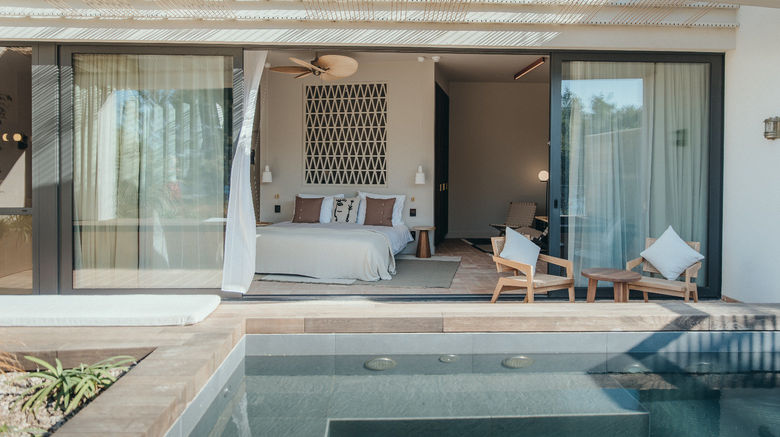
For the most glamorous island experience in Croatia, a private villa on Hvar or a stay at one of the island's boutique hotels offers the best access to the Dalmatian island chain, the yacht scene, and the island's extraordinary lavender-scented landscape.