China
Imperial palaces & ultra-modern luxury
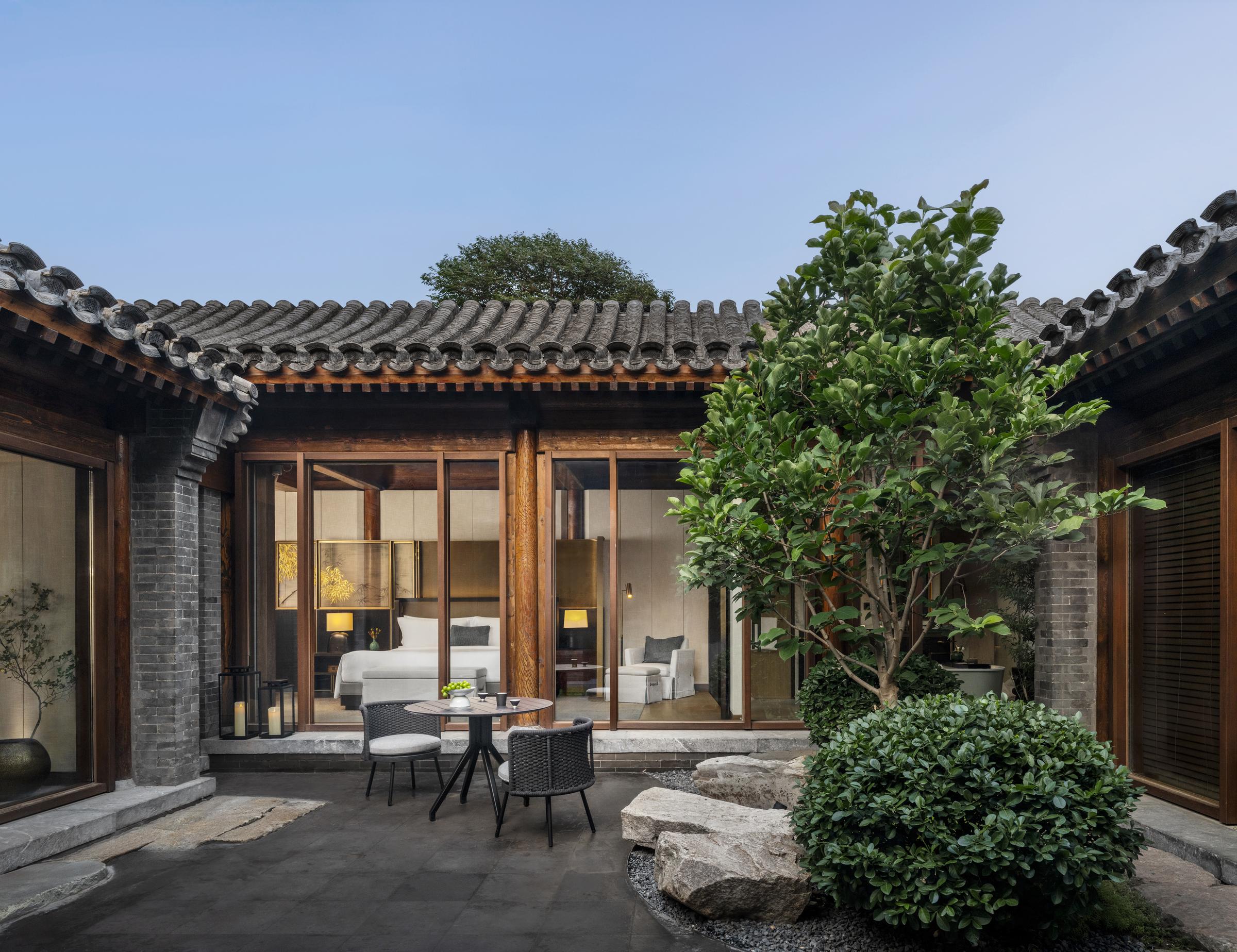
China's luxury hotel landscape is one of the most extraordinary in the world — a collision of imperial heritage and hyper-modern ambition that produces hotels of a scale and grandeur found nowhere else. The Aman Summer Palace in Beijing, occupying a series of courtyard buildings adjacent to the Summer Palace, is the most historically significant hotel in China: a place where guests sleep within the walls of a Qing dynasty imperial garden.
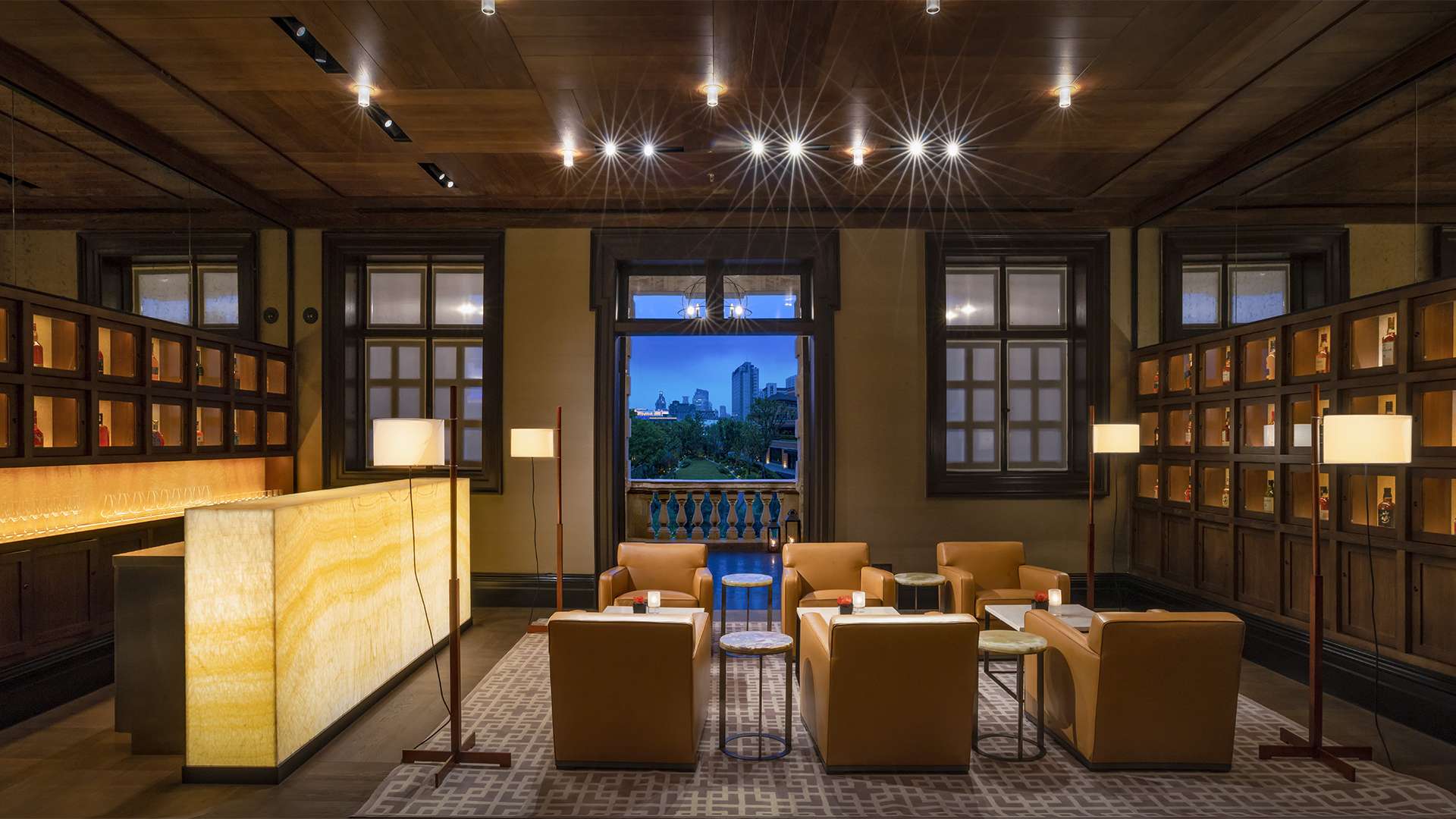
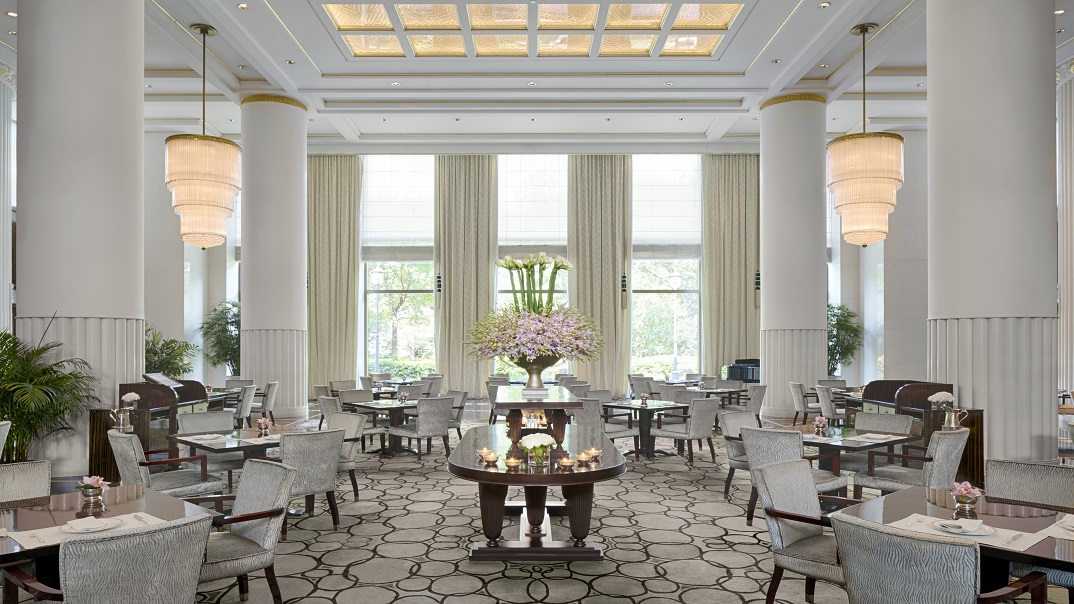
Shanghai's Bund is the most concentrated stretch of luxury hotels in Asia — the Waldorf Astoria in the former Shanghai Club, the Peninsula in its 1928 Art Deco tower, the Fairmont Peace Hotel with its jazz bar and green copper roof. These are not merely hotels; they are monuments to the city's extraordinary history as the most cosmopolitan city in Asia.
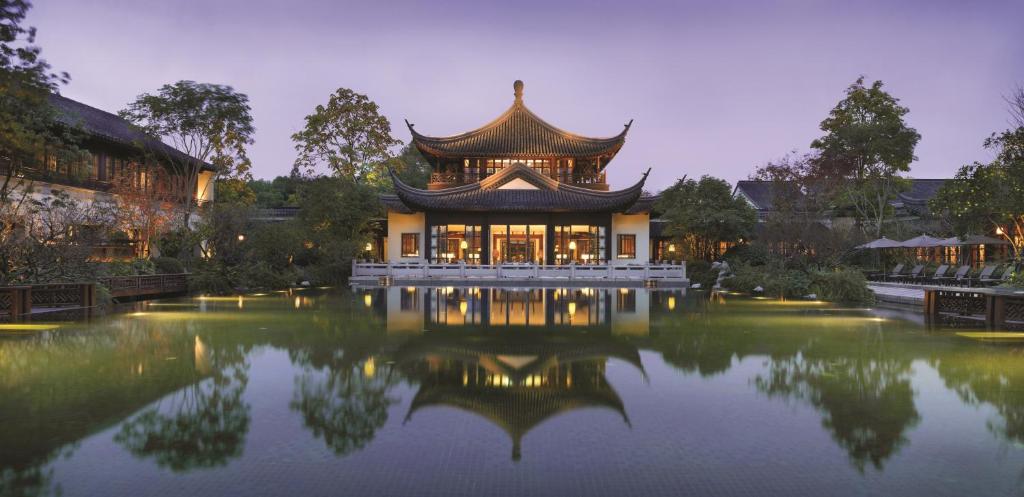
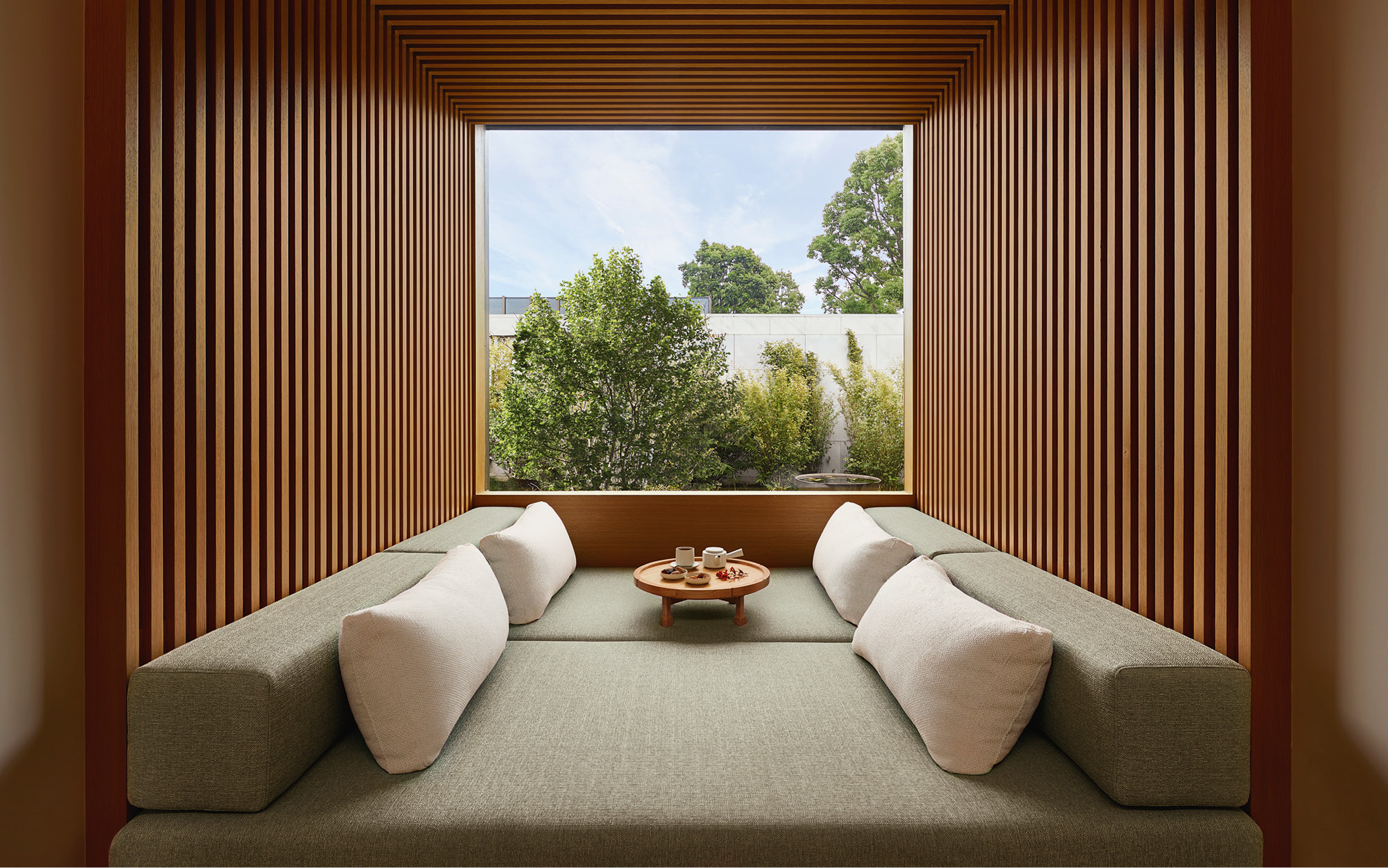
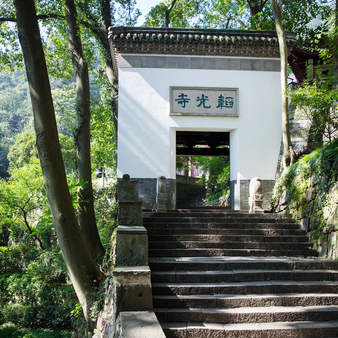
The Aman properties in China — Amanfayun in Hangzhou, Amandayan in Lijiang, Amanjiwo near Borobudur — represent the most considered approach to luxury in the country: small, architecturally integrated resorts that respond to their landscapes with the same intelligence that Aman brings to every property worldwide.
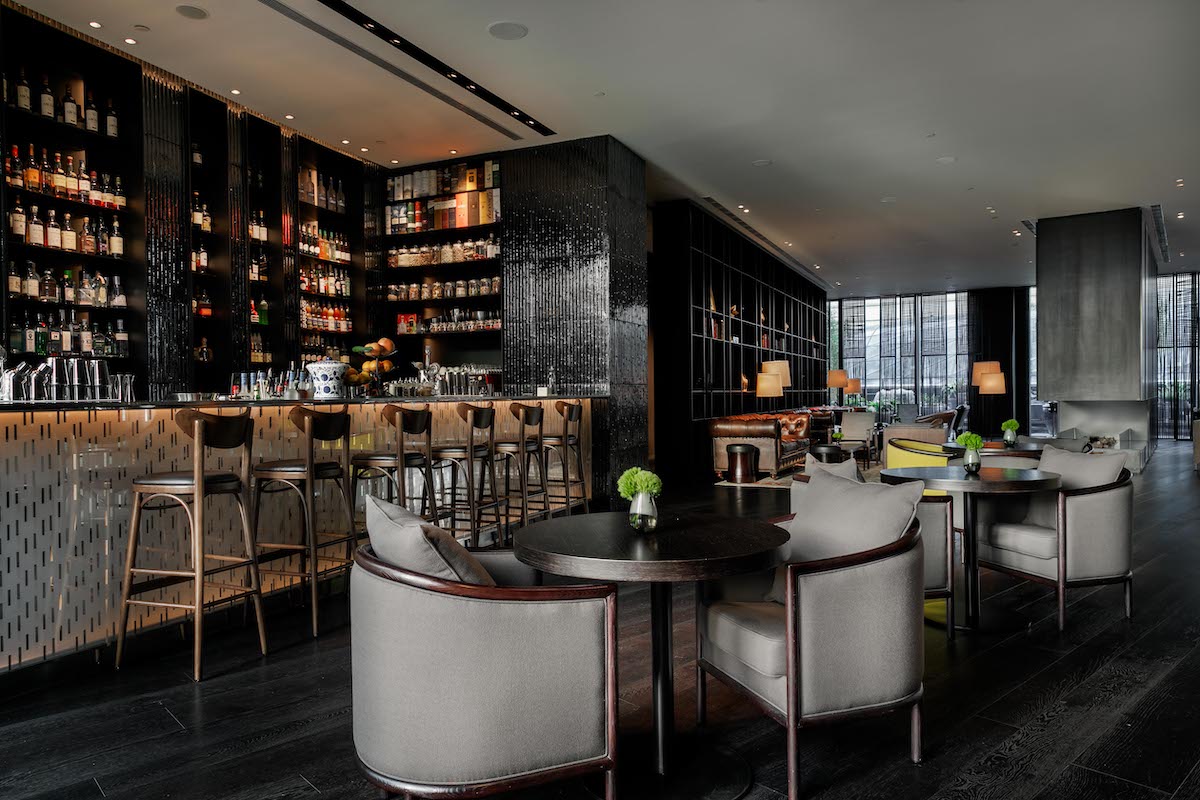
Beijing's hotel landscape is anchored by the Rosewood Beijing and the Bvlgari Hotel — both in the Chaoyang district — alongside the historic Raffles Beijing (formerly the Grand Hotel de Pékin) near Tiananmen Square. The city's scale and traffic mean that location is more important in Beijing than almost any other city in the world.
Beijing's traffic is genuinely extraordinary — a 10km journey can take 90 minutes at peak hours. Choose your hotel based on proximity to the sights you most want to see: the Aman Summer Palace for the imperial gardens, the Rosewood or Bvlgari for the contemporary art and restaurant scene in Chaoyang.
Shanghai's Bund is best experienced at dawn (before the tour groups arrive) and at dusk (when the Pudong skyline illuminates). The Peninsula's rooftop bar and the Waldorf Astoria's Long Bar are the two best vantage points in the city.
Hangzhou's West Lake — the most celebrated lake in China, the inspiration for countless classical paintings and poems — is best experienced by private boat at dawn. Amanfayun's concierge can arrange a private dawn lake crossing; it is one of the most beautiful experiences in Asia.
China's Golden Week holidays (October 1–7 and Chinese New Year, January–February) bring extraordinary domestic tourism pressure to all major sites. Avoid these periods entirely or book 6–12 months in advance and accept significantly higher rates.
April–May and September–October are China's best travel windows: mild temperatures, lower humidity, and the landscapes at their most beautiful. Beijing's spring (April–May) brings cherry blossoms and clear skies before the summer heat and pollution. Shanghai is pleasant year-round but humid in July–August. Avoid Golden Week (October 1–7) and Chinese New Year for all major sites.
For the most historically significant and most atmospheric hotel in China, the Aman Summer Palace in Beijing — courtyard buildings within the walls of a Qing dynasty imperial garden — is the most extraordinary address in the country.
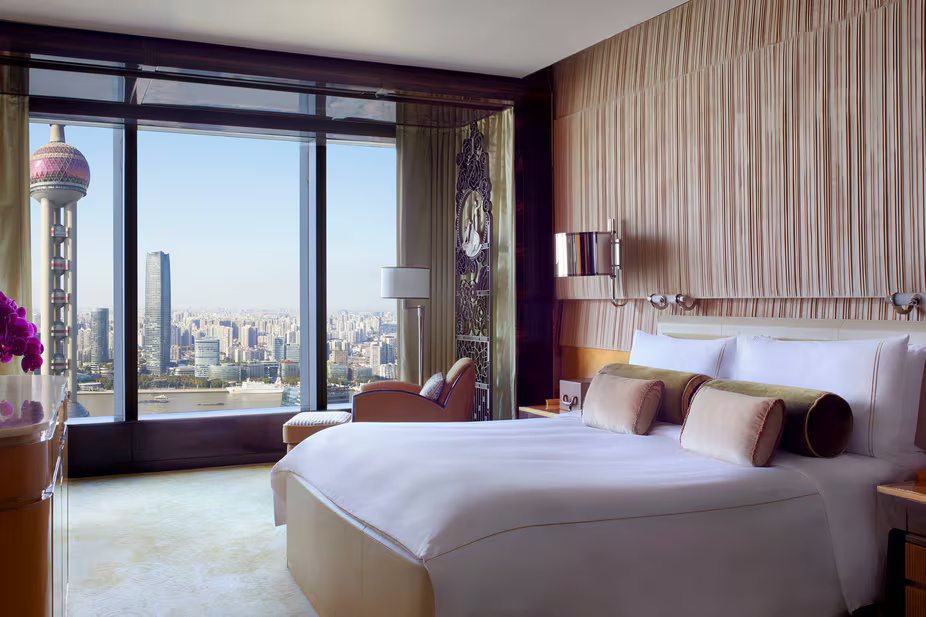
For the most celebrated Bund address in Shanghai and the most historically resonant hotel in the city, the Peninsula Shanghai — in its 1928 Art Deco tower with views across the Huangpu River to Pudong — is the definitive choice.
For the most serene and most culturally immersive experience in China, Amanfayun in Hangzhou — a restored village of Song dynasty tea-farming houses beside West Lake — is the most considered luxury retreat in the country.
For the most contemporary luxury experience in Beijing with the best access to the city's art galleries, restaurants, and nightlife, the Rosewood Beijing or the Bvlgari Hotel in the Chaoyang district are the most complete modern addresses.