Austria
Imperial Vienna & Alpine grandeur
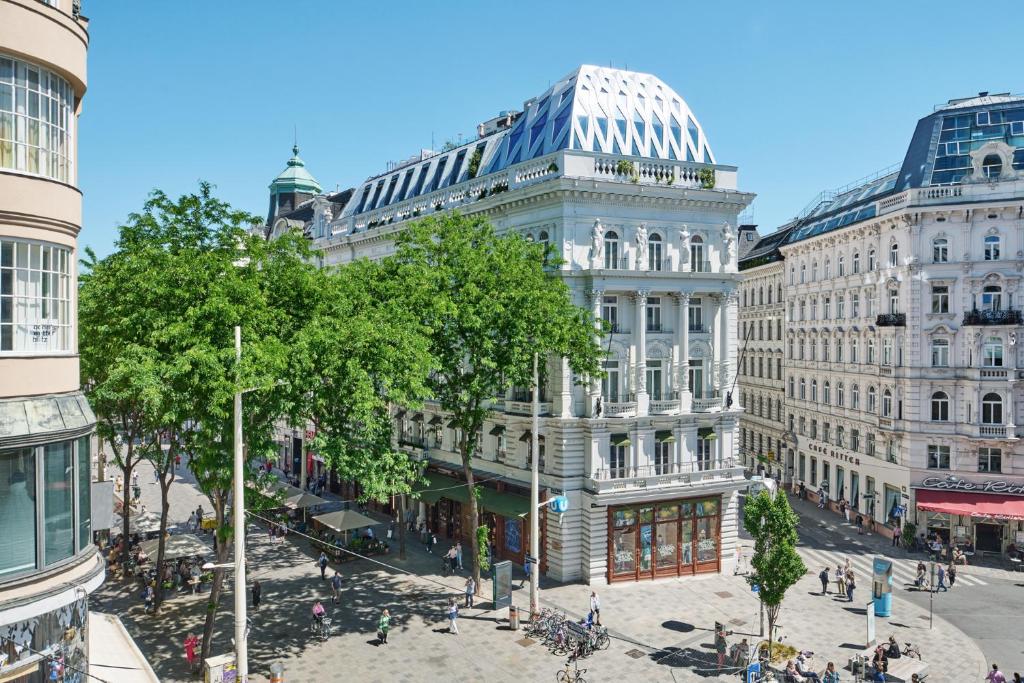
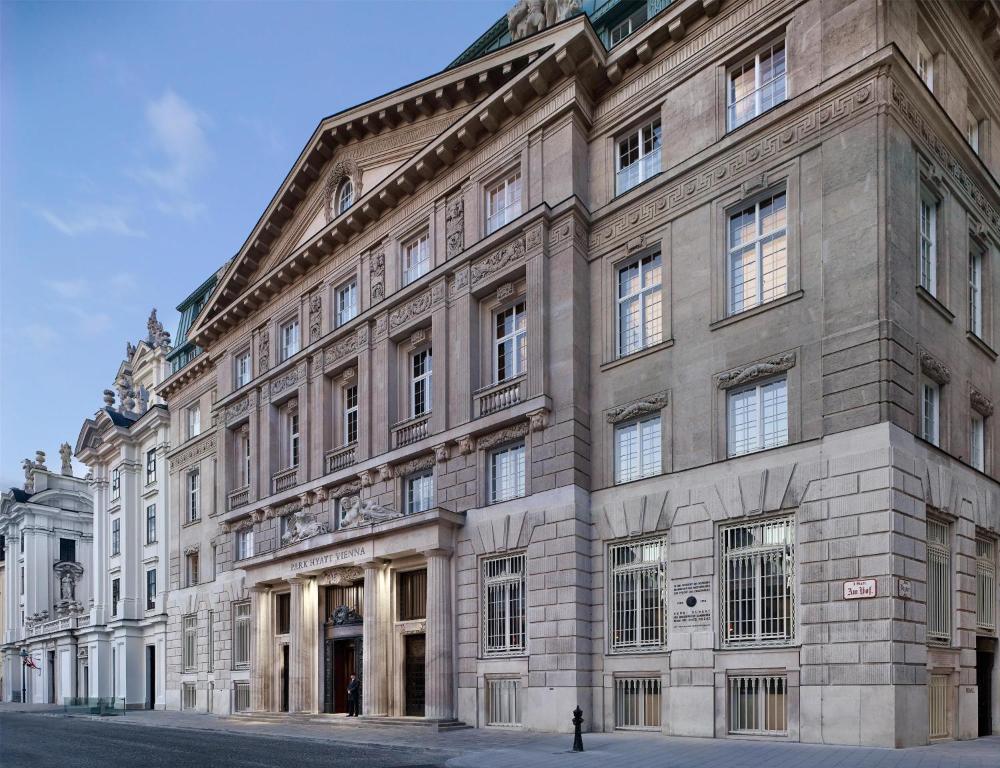
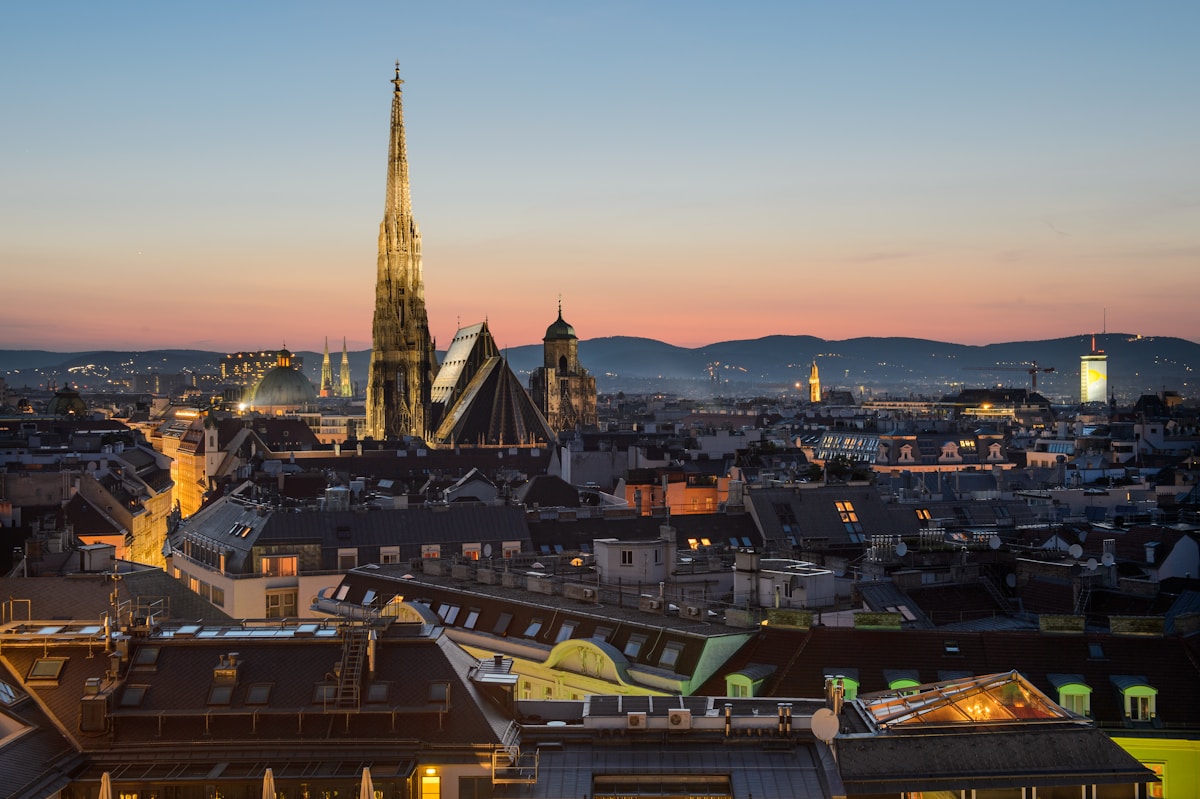
Austria's great hotels are monuments to empire — the Hotel Sacher Vienna, the Hotel Imperial, the Bristol — buildings that were constructed to receive the crowned heads of Europe and have been receiving them, in one form or another, ever since. Vienna's Ringstrasse, the imperial boulevard commissioned by Franz Joseph I in the 1850s, remains the most concentrated stretch of grand hotel architecture in the world.
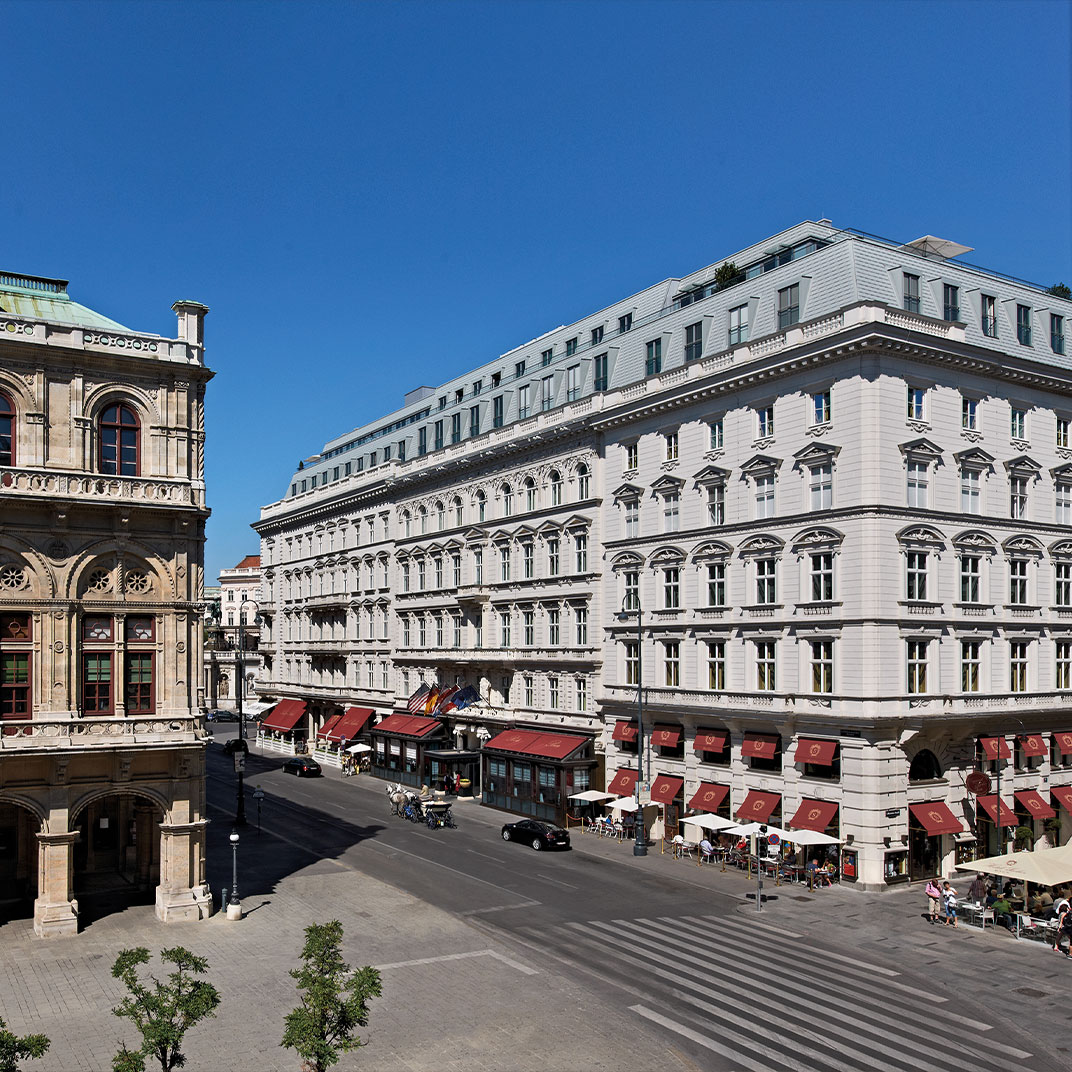
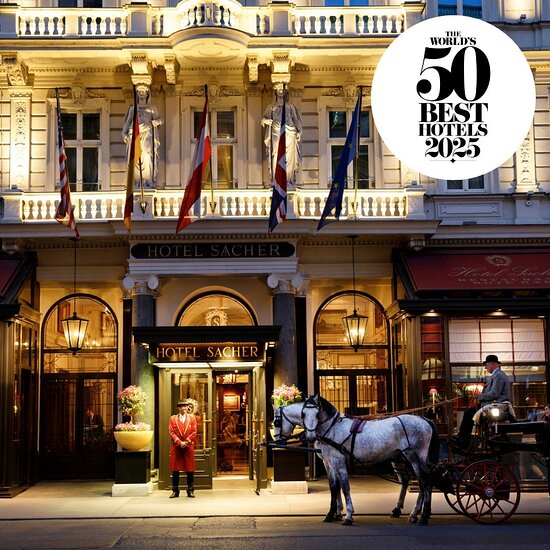
The Hotel Sacher, behind the Vienna State Opera, is the most famous hotel in Austria and one of the most famous in the world — the birthplace of the Sachertorte, the hotel where Franz Lehár composed operettas, and the address that has defined Viennese luxury for over 150 years. The Hotel Imperial, a former palace on the Ringstrasse, is the most historically significant address in the city — the hotel where Richard Wagner, Marlene Dietrich, and Michael Jackson stayed.
Salzburg's hotel landscape is defined by the city's extraordinary baroque architecture and its role as the birthplace of Mozart and the home of the Salzburg Festival. The Hotel Goldener Hirsch, in a 600-year-old building in the Old Town, is the most celebrated address in the city — a labyrinthine warren of low-ceilinged rooms filled with antiques, hunting trophies, and the accumulated atmosphere of centuries.
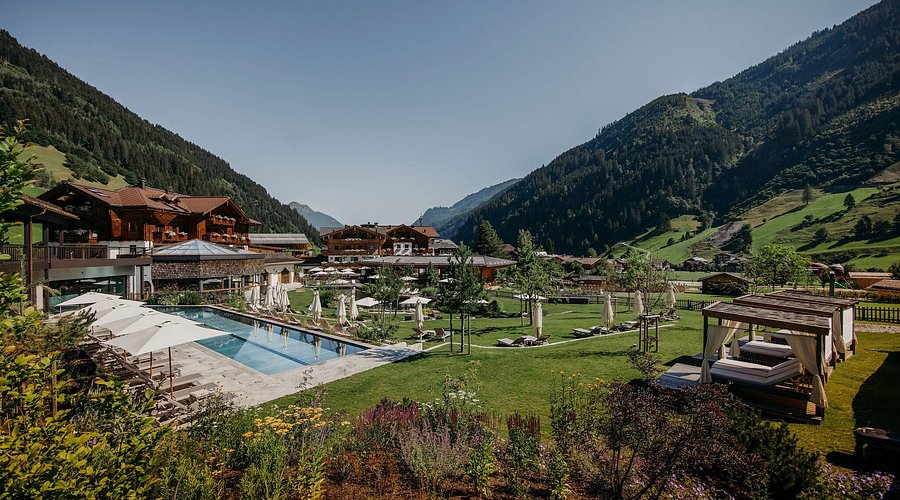
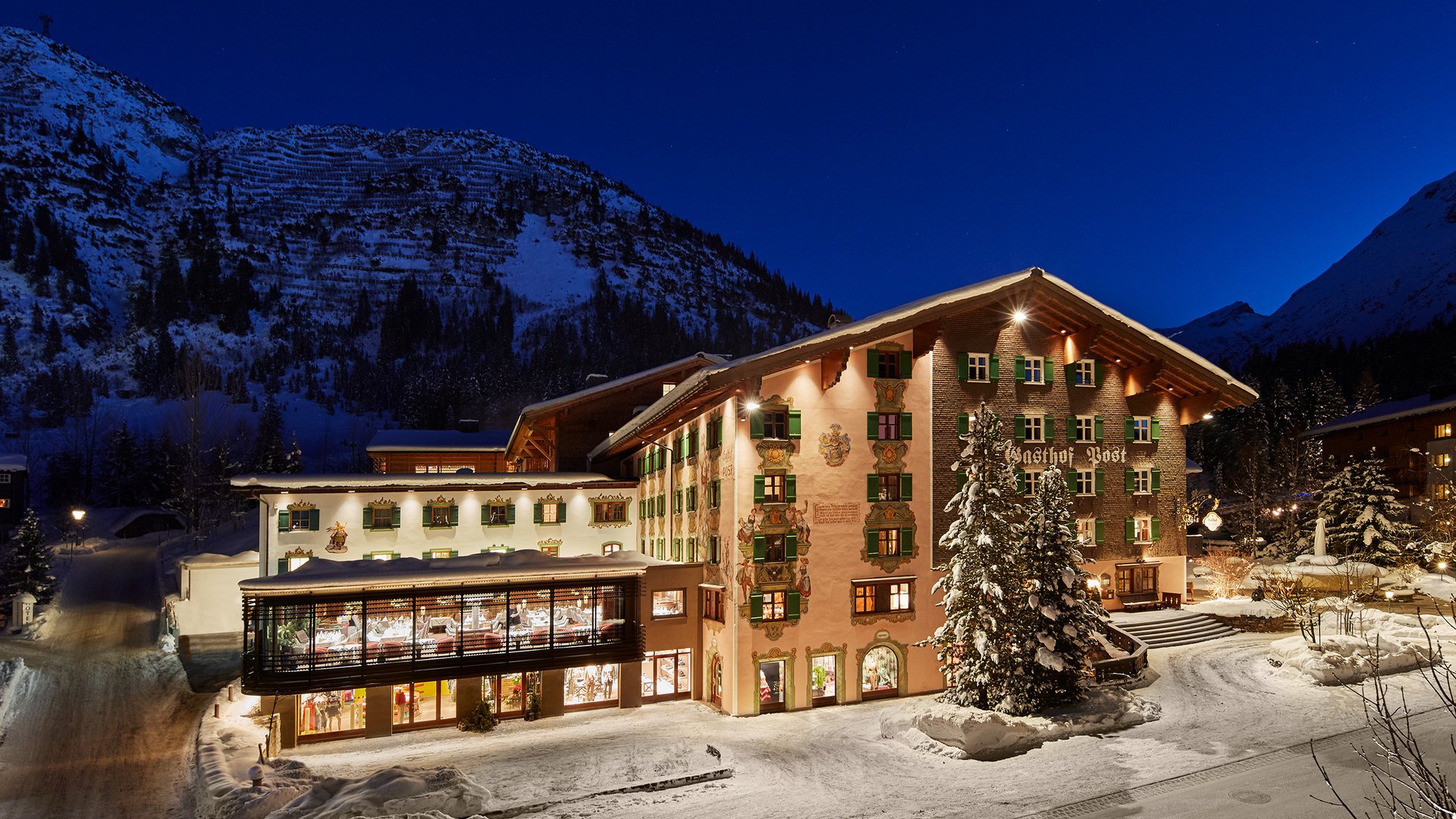
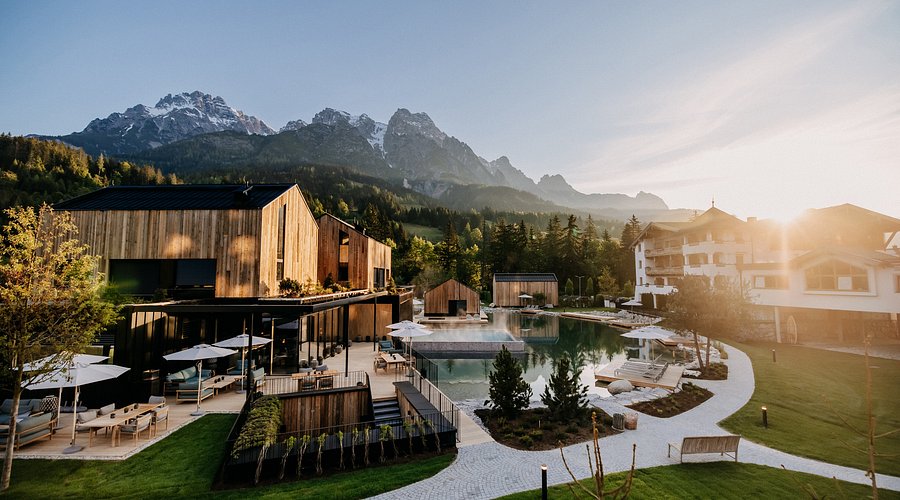
Austria's Alpine resorts — Lech am Arlberg, Kitzbühel, St. Anton — represent a form of winter luxury that is uniquely Austrian: the combination of world-class skiing, Michelin-starred mountain restaurants, and hotels of extraordinary warmth and craftsmanship. Hotel Post Lech and the Aurelio Lech are the most celebrated addresses in what is arguably the most exclusive ski resort in the Alps.
Vienna's coffee houses — the Café Central, the Café Landtmann, the Café Schwarzenberg — are as much cultural institutions as places to drink coffee. A morning in a Viennese coffee house, with a Melange and a Kipferl and a newspaper, is one of the great European rituals. Your hotel concierge can recommend the most authentic.
The Salzburg Festival (late July–August) is the most prestigious classical music festival in the world — and the most expensive time to visit Salzburg. Hotel rates triple; book 12 months in advance. The Easter Festival and the Whitsun Festival are smaller and more accessible alternatives.
Lech am Arlberg's ski season runs December–April, with the best snow conditions in January–February. The resort is connected to Zürs, St. Anton, and the Arlberg ski area — the largest linked ski area in Austria. Book ski school and equipment rental before arrival in peak season.
Vienna's opera season runs September–June; the Vienna Philharmonic's New Year's Concert is broadcast to 90 countries and requires a ballot application 12 months in advance. Standing tickets for the State Opera are available on the day of performance — a tradition that makes world-class opera accessible at minimal cost.
Austria has two distinct peak seasons: summer (June–August) for Vienna's cultural programme and Alpine hiking, and winter (December–March) for skiing in Lech, Kitzbühel, and St. Anton. April–May and September–October are the best value windows: mild weather, fewer crowds, and lower rates. December is magical for Vienna's Christmas markets but expensive.
For the most historically significant and most atmospheric hotel in Vienna, the Hotel Sacher — behind the State Opera, birthplace of the Sachertorte, in continuous operation since 1876 — is the definitive Viennese address.
For the most celebrated ski resort hotel in Austria and the most exclusive Alpine address in Europe, Hotel Post Lech or the Aurelio Lech in Lech am Arlberg — the preferred resort of European royalty — are the most coveted winter addresses.
For the most intimate and most atmospheric hotel in Salzburg, the Hotel Goldener Hirsch — 600 years of history in the heart of the Old Town, a labyrinth of antique-filled rooms — is the most celebrated address in Mozart's birthplace.
For the most contemporary luxury experience in Vienna with the best access to the city's art galleries and the MuseumsQuartier, the Almanac Palais Vienna or the Andaz Vienna Am Belvedere offer the most design-forward alternatives to the grand Ringstrasse palaces.